Tag Archive for: homeschool

Holiday Home Learning

The holidays are a wonderful time to slow down, reconnect, and sprinkle a little extra fun into home learning.

Below are a few festive lesson ideas that blend education with the magic of the holiday season, in a way that honors a variety of beliefs and celebrations.

Multi-Faith Holiday Traditions Exploration (All Ages)

Pick 3–5 winter holidays celebrated around the world, such as Christmas, Hanukkah, Kwanzaa, Winter Solstice, Las Posadas, or Lunar New Year.

  • Research Together: Create a simple “Holiday Facts” sheet for each tradition with key info like origins, symbols, foods, and ways people celebrate.
  • Create a Mini Museum: Display drawings, crafts, or photos related to each holiday.
  • Discussion Prompt: What traditions from each holiday are familiar? What’s new or surprising?

This activity builds cultural literacy and can be tied to social studies and geography.

Holiday Storytelling & Creative Writing

Read seasonal stories from multiple faith backgrounds: Hanukkah tales, Nativity stories, folktales about winter, etc.

  • Younger Kids: Draw scenes from the stories.
  • Older Students: Write a short story imagining a celebration from the point of view of a person in another country or faith tradition.
  • Family Twist: Create a “Holiday Story Book” compiling everyone’s creative work.

This activity promotes literacy, builds writing skills, creativity, and fosters empathy.

STEM: Holiday Lights & Circuits

Use LED lights, a battery, and copper tape to make a simple circuit card themed to any holiday symbol like a star, candle, tree, lantern, or unity symbol.

Activities

  • Build a basic paper circuit and watch your creation light up.
  • Discuss the science behind electricity and energy transfer.
  • Expand the challenge for older students with switches or parallel circuits.

This activity is a practical application of engineering principles and builds problem-solving and fine motor skills.

Holiday Kitchen Chemistry

Every holiday has a dish at the center of celebration, whether it’s latkes, gingerbread, tamales, mooncakes, sufganiyot, or harvest fruits.

  • Baking Experiments: Compare how baking powder vs. baking soda affects cookies.
  • Cultural Cooking: Choose a recipe tied to the holiday your family celebrates, or explore one from another tradition.
  • Math Tie-In: Have kids double or halve the recipe for fraction practice.

In this activity, students apply chemistry and math lessons in a practical setting. They also learn cultural appreciation and valuable life skills.

Winter Nature Study

Bundle up and head outdoors for seasonal science activities, such as:

  • Identifying winter birds or trees.
  • Observing seasonal patterns: snow crystals, frost, shorter days.
  • Creating a nature journal with sketches and reflections.

Optional Add-On: Connect the observations to holidays tied to light and seasonal cycles, like Winter Solstice.

The activities can tie into earth science, biology, and build observation and reflection skills, as well as promote environmental awareness.

Final Thoughts

The holiday season is naturally rich with stories, science, faith, food, and creativity. It’s a perfect time to bring education to life in relevant ways.

If you’re interested in learning more about homeschooling, let’s get in touch! Call us at (626) 227-1149 or submit a contact form on our website.


Integrating Art History into Home Learning

Home learning offers a unique opportunity to make education more personalized, flexible, and engaging. One subject that’s often overlooked is Art History. Integrating art history into your home learning routine can enhance critical thinking, cultural awareness, and even literacy.

Why Art History Matters

Art history is a dynamic subject that encourages students to think critically about images and symbolism and explore history through a creative lens. It can be a helpful subject for understanding different cultures and perspectives.

When students study art, they’re also learning visual literacy, which is essential in today’s image-driven world.

Simple Ways to Bring Art History Home

You don’t need a museum membership or an art degree to introduce your student to the world’s masterpieces. Here are some easy, engaging ways to integrate art history into home learning:

1. Choose an Artist of the Week

Each week, pick a new artist to explore. You might start with well-known names like:

  • Leonardo da Vinci
  • Frida Kahlo
  • Claude Monet
  • Jacob Lawrence
  • Yayoi Kusama

Research their background, artistic style, and a few notable works. Look at the time period they lived in and what was happening in the world during that time. Even a 10-minute conversation can spark curiosity!

2. Do an Artwork Deep Dive

Select one artwork and analyze it together. Ask your student these questions:

  • What do you see?
  • What mood does the artwork convey?
  • What colors, shapes, or patterns stand out?
  • What might the artist be trying to say?

This encourages students to slow down, observe, and interpret.

3. Incorporate Hands-On Activities

Combine art history with creativity by recreating a famous artwork using household materials or designing a modern version of an ancient artifact. Not only are these fun home learning activities, but they also reinforce learning through experience.

4. Connect Art to Other Subjects

Art history naturally ties into other areas:

  • History: Discuss how art reflected political or social changes
  • Geography: Locate where artists lived or where artworks were created
  • Language Arts: Write a story inspired by a painting
  • Science: Explore the chemistry behind pigments or materials used in art

Make It a Habit

You don’t have to overhaul your homeschool curriculum to include art history. Try setting aside one afternoon a week for an “Art + Culture Hour.” Make it relaxed, hands-on, and discussion-based.

Even just a weekly focus can expose your student to diverse voices and important cultural contributions across time and place.

Explore Virtual Museum Tours

Take a digital field trip! Exploring global art collections from your living room makes the learning experience more exciting and immersive. Many museums now offer free online tours. Try:

  • The Louvre (Paris)
  • The Metropolitan Museum of Art (New York)
  • The Uffizi Gallery (Florence)
  • The National Museum of African Art (Washington, D.C.)

Final Thoughts

Integrating art history into home learning doesn’t have to be complicated or time-consuming. It’s a fantastic way to nurture creativity, curiosity, and cultural understanding, all while supporting core academic skills.

At Hodis Learning & Music, we’re passionate about making learning come alive. Whether you’re looking for personalized tutoring, art lessons, or homeschooling, we’re here to help your student thrive. Call us at (626) 227-1149 or submit a form and discover how we can help you with your home learning goals.


Nutrition Cooking at Home

Homeschooling offers an incredible opportunity to connect learning with everyday life. One of the most practical (and enjoyable) subjects to weave into your curriculum is nutrition and cooking. Not only does this teach essential life skills, but it also opens the door to lessons in science, math, and even gardening. Learn more about how you can incorporate nutrition and cooking into your homeschool curriculum.

Why Teach Nutrition and Cooking in Homeschool?

Nutrition and cooking bring abstract academic concepts to life. Instead of memorizing facts, children experience hands-on learning that is practical and fun. From understanding food groups to learning where ingredients come from, cooking becomes a real-world classroom.

Core Components of a Homeschool Cooking Curriculum

1. Meal Planning

Have students create a weekly menu, focusing on balanced meals that include all major food groups. Budgeting for meals also teaches addition, subtraction, and multiplication. Students can compare costs of different brands or calculate price per serving.

2. Grocery Shopping

Take children shopping and have them locate ingredients. Encourage them to compare labels, look for healthier options, and consider food sources (like local vs. imported, organic vs. nonorganic). You can also discuss things like marketing strategies in the food industry, food packaging, and the importance of reading nutrition labels.

3. Preparing Meals Together

Cooking as a family builds confidence and independence. Assign age-appropriate tasks, such as chopping vegetables, measuring flour, or stirring sauces. Preparing meals also teaches cooperation and responsibility while making the process fun and rewarding.

Integrating Nutrition Into Science

Cooking naturally ties into multiple science topics:

  • Digestive System: Use meals as a gateway to explore how food fuels the body. For example, discuss how carbohydrates break down into energy or how fiber supports digestion.
  • Biology: Teaching about macronutrients and micronutrients introduces biology concepts like enzymes, metabolism, and cell function.
  • Chemistry: Baking is science in action. Talk about how yeast makes bread rise or why eggs bind ingredients together.

Gardening as a Living Classroom

Encouraging students to grow their own food is another way to expand nutrition lessons. A simple herb garden on a windowsill can be a great place to start.

If your student is old enough, or has advanced beyond the kitchen herb garden, growing vegetables outdoors is a great next step. The process teaches patience, responsibility, and biology. Students can observe the effects of photosynthesis, monitor soil health, and learn about ecosystems.

Harvesting herbs or vegetables and then cooking with them helps students understand food cycles and sustainability.

Other Curriculum Ideas

  • Keep a Food Journal: Students can track meals, nutrients, and how different foods make them feel.
  • Explore Foods From Different Cultures: Try recipes from around the world to combine cooking with geography, history, and cultural studies.

Learn More About Homeschooling

Nutrition and cooking classes can teach responsibility, science, creativity, and practical skills, all while bringing families together around the table. Whether it’s planting basil, budgeting for a week’s groceries, or learning why proteins matter, the homeschool kitchen can be one of the richest classrooms of all.

If you’re interested in learning more about homeschooling, call us at (626) 227-1149 or submit a contact form on our website.
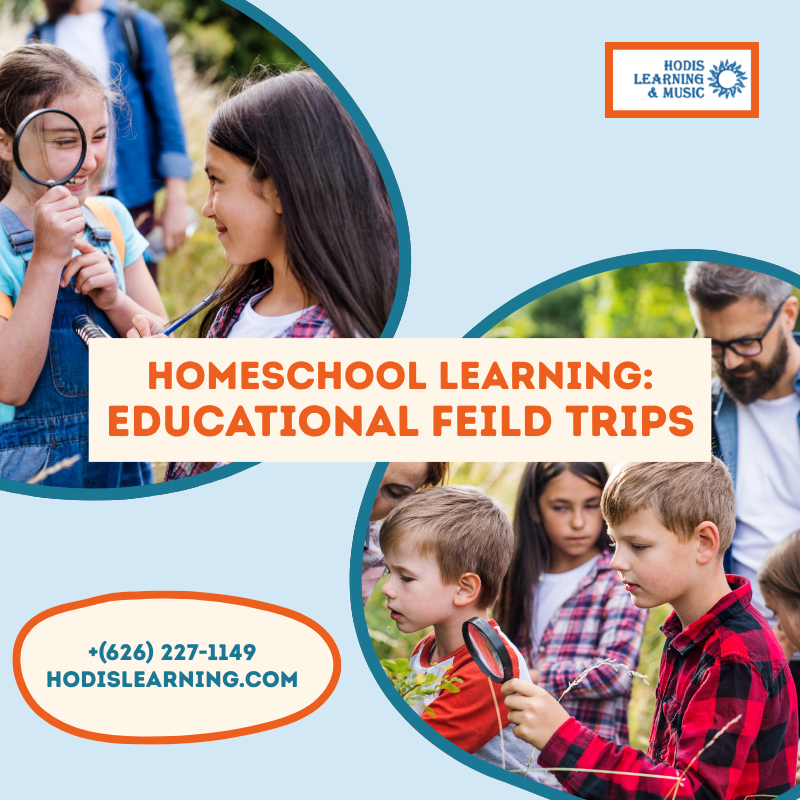
Homeschool Learning: Educational Field Trips

One of the biggest advantages of homeschooling is the flexibility to make learning dynamic and personalized. While traditional classrooms often rely heavily on textbooks and worksheets, homeschooling allows families to step outside and use the world as their classroom.

From a local science center to a historical battlefield to a virtual museum, field trips offer homeschool students a way to connect theory with real-world application.

Why Field Trips Matter in Homeschooling

Unlike a traditional school setting, homeschooling doesn’t come with pre-scheduled excursions. Parents and teachers can choose trips that align perfectly with what their student is learning. Field trips are so impactful because:

  • They make abstract concepts tangible. Seeing a fossil in a museum or watching a blacksmith work at a colonial village brings lessons to life.
  • They engage multiple senses. Touching, hearing, seeing, and even smelling an environment deepens understanding and memory retention.
  • They spark curiosity and critical thinking. Being in new environments prompts students to ask questions, make connections, and think outside the box.
  • They break the routine. Changing up the environment keeps learning fresh and helps maintain motivation and engagement.

Educational Field Trip Ideas

Field trips don’t have to be elaborate or far away. In fact, some of the best learning happens close to home or even online. Here are some high-value destinations to consider.

Physical Field Trip Ideas

  • Science Museums & Planetariums: Great for interactive STEM learning
  • Historic Sites & Living History Museums: Walk through time for a snapshot of life from a history book.
  • Local Government Buildings: Learn about civics with tours of courthouses or city halls.
  • Nature Reserves & Farms: Ideal for biology, ecology, and environmental science lessons.
  • Art Galleries & Studios: Explore visual expression and art history.
  • Factories or Local Businesses: Learn about economics, entrepreneurship, and industry.

Virtual Field Trip Options

  • Smithsonian National Museum of Natural History (USA): Discover 360° virtual tours of exhibits.
  • The Louvre (France): Tour Egyptian antiquities and Renaissance masterpieces online.
  • NASA Glenn Research Center: Explore space tech and astronaut training simulations.
  • San Diego Zoo Live Cams: Great for younger learners studying animals and habitats.
  • Google Arts & Culture: Explore global heritage sites, art collections, and science labs from anywhere.

Preparing for a Successful Field Trip

To get the most educational value from a field trip, a little preparation goes a long way.

Before the Trip:

  • Tie it to a lesson. Choose a destination that complements current lessons, like visiting a botanical garden while learning about plant biology.
  • Preview the location. Look up maps, watch introductory videos, or read background info so your student knows what to expect.
  • Create a learning objective. Decide what you want your student to observe, learn, or reflect on during the trip.

During the Trip:

  • Bring notebooks or sketchpads. Encourage note-taking, sketches, or questions for later discussion.
  • Ask open-ended questions. Prompt your student to think critically: “Why do you think they built it this way?” or “What surprised you the most?”

After the Trip:

  • Reflect and review. Discuss what they saw and learned. This could be through a written reflection, drawing, or even a presentation to family.
  • Tie it back into the curriculum. Use what was observed to deepen future lessons or spark new topics of interest.

How Our Educators Help Enhance the Field Trip Experience

At Hodis Learning & Music, our homeschool educators can help families bring education to life in meaningful ways through:

  • Pre-trip learning sessions to help students build background knowledge and vocabulary so they’re prepared.
  • Custom activity guides Our tutors can provide age-appropriate worksheets or scavenger hunts tailored to the field trip destination.
  • Post-trip reinforcement to help students synthesize what they learned through discussions, creative projects, or writing exercises.
  • Virtual companion learning where the educator and student can explore together in real time.

Final Thoughts

Educational field trips are a rich and rewarding part of the homeschool journey. With the guidance of knowledgeable educators and a little intentional planning, field trips can be not only fun outings, but powerful learning adventures.

Let our expert educators at HLM support your homeschool journey with personalized learning before, during, and after every adventure. Call us at (626) 227-1149 or submit a form on our website to learn more.

Is Homeschooling Right For Your Family?

As more families explore personalized education options, homeschooling has become an increasingly popular choice. But is it the right fit for your family? Like any educational path, homeschooling comes with unique benefits and distinct challenges. We’ve laid out some considerations to take as you evaluate your educational options.


The Advantages of Homeschooling

1. Individualized Learning

One of the greatest strengths of homeschooling is the ability to tailor instruction to your child’s needs. Whether your child is gifted, has learning differences, or simply learns best at their own pace, homeschooling allows for personalized instruction that isn’t always possible in a traditional classroom. Homeschooling also allows your child to receive one-on-one attention from a professional instructor, which is not usually the case in traditional school environments.

2. Flexibility and Freedom

Homeschooling provides flexibility in both curriculum and schedule. You and your student can travel, explore interests, and take learning beyond the confines of textbooks. This flexibility also allows more time for hobbies, community engagement, and rest. These extracurricular, and important, activities are often difficult to prioritize with a traditional school schedule.

3. Stronger Family Bonds

Learning together at home can foster closer relationships among family members. Many parents find that homeschooling allows them to better understand and support their children’s academic and emotional growth.

4. Safe Learning Environment

Homeschooling ensures a controlled environment where bullying, peer pressure, and other school-based social concerns can be minimized. Parents have more influence over the social and emotional landscape of their child’s upbringing.


The Challenges of Homeschooling

1. Time and Energy Commitment

Homeschooling requires significant parental involvement, not only in teaching but also in planning, record-keeping, and assessing progress. For working parents, balancing homeschooling with other responsibilities can be particularly demanding. However, having a professional homeschool instructor work with your child can free parents up from lesson planning and instructing.

2. Socialization Concerns

Critics often point to a lack of peer interaction in homeschool settings. While homeschool community groups and co-ops can offer social outlets, it takes intentional effort to ensure children build strong social skills. Other options for providing homeschool children with socialization opportunities are to enroll them in recreational sports, scouting groups, or other clubs.

3. Limited Access to Specialized Resources

Public and private schools often have access to science labs, arts programs, athletic facilities, and special education services. While many homeschooling families find creative alternatives, these opportunities may require additional time, travel, or expense.

4. Parental Expertise

Parents may feel unsure about teaching certain subjects, especially at the middle and high school levels. Fortunately, hiring tutors, using online programs, or hybrid teaching models can help fill these gaps.

So… Is Homeschooling Right for You?

The decision to homeschool is deeply personal and varies from family to family. It requires careful consideration of your child’s needs, your family’s lifestyle, and your educational goals. Some families homeschool full-time, while others supplement traditional schooling with at-home education. There’s no one-size-fits-all solution, but there are plenty of resources to help you make your decision.

Let’s Talk About It

At Hodis Learning & Music, we specialize in both tutoring and homeschool support, offering personalized educational plans that fit your family’s needs. Whether you’re curious about transitioning to homeschool or just need some extra academic support, we’re here to help.

Call us at (626) 227-1149 or send us a message to learn more about how we can partner with you on your homeschool journey!

As the leaves change color and the air turns crisp, fall presents a unique opportunity for homeschool families to incorporate the season’s natural beauty and themes into their educational journey. Seasonal learning can make education more engaging and relevant, helping children connect with the world around them. Here’s how you can bring the magic of fall into your homeschool curriculum, making the most of this vibrant season.


The Benefits of Seasonal Learning

Seasonal learning offers a dynamic approach to education, allowing students to experience the rhythms of nature and the changes in their environment. It encourages hands-on, experiential learning, which can enhance retention and deepen understanding. By aligning lessons with the seasons, homeschool educators can create a more immersive and enriching educational experience.


Fall-Themed Subjects and Activities

  1. Science and Nature Studies: Fall is a perfect time to explore the natural world. Study the life cycles of trees, focusing on why leaves change color and fall to the ground. You can also investigate the behaviors of animals preparing for winter, such as migration and hibernation. Nature walks to collect leaves, acorns, and other autumnal treasures can serve as the basis for a science journal or a classification activity.
  2. Literature and Writing: The cozy atmosphere of fall lends itself well to reading and writing. Choose literature that reflects the season, such as classic autumn-themed poetry or stories set in this time of year. Encourage creative writing by asking students to describe a fall scene or write a story inspired by the season. You might also explore the history and cultural significance of fall holidays like Thanksgiving and Halloween, integrating these themes into reading assignments.
  3. Math and Measurement: Use fall-related activities to make math fun and practical. For example, measuring ingredients for fall recipes like pumpkin pie or calculating the weight and circumference of pumpkins can be engaging ways to practice math skills. You can also incorporate statistics by tracking daily temperatures and charting the gradual change from warmer to cooler weather.
  4. Art and Craft Projects: The colors and textures of fall are perfect for art projects. Create leaf rubbings, paint pumpkins, or make collages using natural materials gathered during nature walks. Crafts like making scarecrows, wreaths, or fall-themed decorations can also be a way to integrate art with lessons about seasonal changes and cultural traditions.
  5. Social Studies and History: Fall offers a rich context for exploring history and social studies. Study the history of harvest festivals around the world, compare them to modern-day Thanksgiving traditions, and discuss their significance. This can lead to discussions about agriculture, the importance of community, and the changing seasons’ impact on different cultures.
  6. Physical Education: Take advantage of the cooler weather with outdoor activities that can be integrated into your homeschool routine. Hiking, nature scavenger hunts, or playing seasonal sports like soccer can keep students active and engaged. Physical activities are also a great way to break up the day and re-energize young learners.

Creating a Fall Homeschool Environment

Transforming your learning space to reflect the fall season can enhance the educational experience. Decorate with fall colors, display seasonal books, and incorporate fall-themed educational materials. This seasonal shift can make the learning environment more stimulating and enjoyable for both students and educators.

Takeaway

Seasonal homeschool learning, especially in the fall, offers endless possibilities to enrich your curriculum. By integrating the sights, sounds, and themes of fall into your lessons, you can create a more engaging and holistic educational experience. Embracing the season not only makes learning fun but also helps students connect with the natural world and the cycles of life.


For those looking for additional support, partnering with Hodis Learning & Music’s homeschool education program can provide resources and guidance tailored to your family’s needs, helping you make the most of every season in your educational journey. Call us or submit a message on our website to learn more.

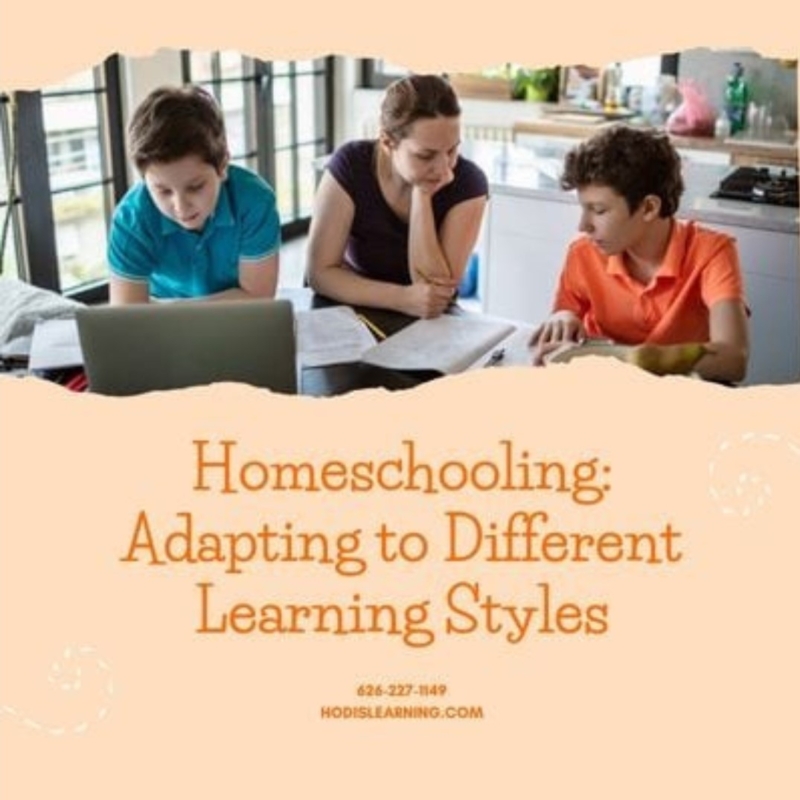
Homeschool Expertise: Adapting to Different Learning Styles

One of the greatest benefits of homeschooling is its flexibility. Unlike traditional classrooms where teaching methods are often uniform, homeschooling allows parents and educators to tailor learning to fit each child’s unique needs.

One crucial aspect of this personalized approach is adapting lessons to various learning styles. Understanding and addressing your child’s learning style can enhance their engagement, comprehension, and retention, making their school more effective and enjoyable.

Understanding Learning Styles

Children learn in different ways, and these differences are often categorized into specific learning styles. By identifying your child’s learning style, you can adapt your teaching methods and resources to better match how they learn. The main types of learning styles are:

  1. Visual Learning: Visual learners prefer to see and observe information. They often benefit from diagrams, charts, videos, and written instructions. Students with this learning style might struggle when given auditory explanations but excel when presented with visual aids that reinforce key concepts.

  2. Auditory Learning: Auditory learners absorb information best through listening. They are often very good at remembering spoken words, sounds, and music. These learners benefit from lectures, podcasts, discussions, and even rhymes or songs that help reinforce lessons.

  3. Kinesthetic Learning: Kinesthetic learners, also known as tactile learners, learn best through hands-on experiences. They often need to move, touch, or interact with their environment in order to understand concepts. These students thrive when lessons involve physical activities, experiments, or real-world applications.

  4. Reading/Writing Learning: This learning style involves a preference for reading and writing. These learners excel when engaging with written materials such as books and articles. They may benefit from extensive note-taking, writing essays, and reading detailed instructions.

Adapting Your Homeschool Curriculum to Learning Styles

  1. Visual Learners: For visual learners, consider using colorful diagrams, mind maps, flashcards, and videos that break down complex concepts. Visual learners often benefit from creating their own visual notes or illustrations to summarize lessons. Tools like whiteboards, slideshows, or even online platforms with interactive graphics can also help reinforce learning.

  2. Auditory Learners: Auditory learners may benefit from reading lessons aloud, using audiobooks, or listening to podcasts on the subject matter. Incorporating discussions and debates into lessons gives auditory learners a chance to process information verbally. To further engage these learners, consider having them record themselves summarizing lessons or explaining concepts to others.

  3. Kinesthetic Learners: For kinesthetic learners, incorporating movement and physical activity into lessons is key. Hands-on science experiments, art projects, cooking, and building models are excellent ways to bring abstract concepts to life. For example, math can be taught by using physical objects like blocks or coins to demonstrate mathematical concepts. Additionally, outdoor activities like nature walks or field trips help these learners make connections between classroom lessons and real-world experiences.

  4. Reading/Writing Learners: Reading/writing learners often do well with written assignments and written instructions. To support their learning, provide plenty of reading materials like textbooks, articles, and novels that align with their lessons. Encourage these learners to write essays, journals, or reports to synthesize and analyze information. Writing notes, creating lists, and using written quizzes or worksheets can also help reinforce concepts.

Tips for Blending Learning Styles

While many children may have a dominant learning style, it’s important to recognize that most learners benefit from a mix of methods. Here are a few ways to blend learning styles for a more balanced approach:

  • Incorporate multimedia: Use a combination of visual, auditory, and kinesthetic elements in each lesson. For example, a history lesson can include a documentary (visual), a discussion (auditory), and a reenactment (kinesthetic).

  • Provide choices: When possible, give students the opportunity to choose how they want to engage with the material. For example, they could choose to write a report, create a video, or do a hands-on project to demonstrate their understanding.

  • Use interactive tools: Many educational tools, apps, and games are designed to engage multiple learning styles at once.

Conclusion

Adapting to different learning styles is an important aspect of homeschooling that can significantly enhance a child’s educational experience. By recognizing how your child learns best—whether through sight, sound, touch, or reading—and tailoring your lessons accordingly, you can foster a deeper understanding and a love for learning. To learn more about Hodis Learning & Music’s homeschool program, call us at (626) 227-1149 or submit a form on our website today!

Cultural and Global Homeschool Education

Cultural and Global Homeschool Education: Expanding Horizons from Home

In our interconnected world, providing a culturally rich and globally aware education is more important than ever. For homeschooling families, the flexibility and customization of your curriculum allow for unique opportunities to incorporate cultural and global learning into daily lessons. This approach not only broadens students’ perspectives but also prepares them for a diverse and globalized society.


Understanding the Importance of Cultural and Global Education

Cultural and global education helps students appreciate and understand the diversity of the world around them. It fosters open-mindedness, empathy, and respect for different cultures, beliefs, and lifestyles. This type of education encourages critical thinking about global issues and helps students develop a sense of global citizenship, preparing them to engage thoughtfully and responsibly in a multicultural world.


Incorporating Cultural Education

  1. Diverse Curriculum: Start by incorporating a diverse range of subjects and materials into your curriculum. Include literature, history, geography, and art from various cultures around the world. Choose books, stories, and resources that represent different perspectives and experiences to provide a well-rounded understanding of global diversity.
  2. Language Learning: Learning a new language is a great way to immerse students in another culture. It opens doors to understanding different ways of thinking and living. Incorporate language lessons into your routine and use multimedia resources like music, movies, and online tools to enhance the experience.
  3. Cultural Celebrations: Celebrate cultural holidays and festivals from around the world. This hands-on approach can include cooking traditional foods, learning cultural dances, and exploring the history and significance of these celebrations. These activities provide a fun and engaging way to learn about different cultures.
  4. Art and Music: Integrate global art and music into your lessons. Study famous artists and musicians from different cultures, and explore traditional crafts and musical instruments. Creating art projects or learning to play cultural music can deepen students’ appreciation for global artistic expressions.


Integrating Global Education

  1. Global Issues: Discuss global issues and current events as part of your homeschooling curriculum. Encourage students to research and understand topics such as climate change, human rights, and international politics. Use resources like news articles, documentaries, and online forums to facilitate informed discussions.
  2. Virtual Exchange Programs: Take advantage of technology to connect with students and educators from around the world. Virtual exchange programs and online pen pal systems can provide students with firsthand experiences of different cultures and perspectives. These interactions promote cross-cultural communication and understanding.
  3. Field Trips and Travel: If possible, plan field trips to cultural centers, museums, and international festivals in your local area. For those who can travel, international trips offer immersive learning experiences. Exposure to different environments and lifestyles can significantly enhance students’ global awareness.
  4. Global Projects: Engage in global projects that encourage students to think beyond their immediate surroundings. Participate in international science fairs, art competitions, or environmental projects. These activities promote collaboration and a sense of global community.


Leveraging Resources

  1. Online Courses and Workshops: Utilize online platforms that offer courses and workshops on global education topics. Websites like Coursera, Khan Academy, and edX provide access to a wide range of subjects taught by experts from around the world.
  2. Libraries and Cultural Centers: Local libraries and cultural centers often provide resources and programs focused on global education. Take advantage of these opportunities to access diverse materials and participate in cultural events.
  3. Educational Kits and Subscriptions: Consider subscribing to educational kits and boxes that focus on global learning. These kits often include hands-on activities, books, and multimedia resources that explore different cultures and global issues.


Integrate Culture and Global Studies Into Your Homeschool Education Today!

Hodis Learning & Music offers personalized homeschool education programs that emphasize cultural and global learning. Call us or submit a form on our website to learn how we can help you create a globally enriched homeschooling experience for your child.

STEM in Homeschooling

STEMScience, Technology, Engineering, and Mathematics—is a cornerstone of modern education. These subjects equip students with critical thinking, problem-solving, and technical skills. For homeschooling families, STEM offers a unique opportunity to blend hands-on learning with real-world applications. With plenty of tools, experiments, and online resources, teaching STEM subjects at home has never been more accessible. Here are some strategies and resources to inspire and enrich STEM learning in a homeschool environment.


Hands-On Learning with STEM Kits

STEM kits are a fantastic way to bring science and engineering concepts to life. These ready-made kits include materials and instructions for experiments and projects that make complex topics approachable and fun. Some popular options include:

  • KiwiCo Crates: These subscription-based kits offer projects tailored to different age groups.
  • Snap Circuits: These kits teach electronics through hands-on assembly of circuits, introducing concepts like power flow and resistance in a visual and interactive way.
  • Little Passports Science Expeditions: Combining STEM activities with storytelling, these kits engage kids with experiments tied to real-world themes like renewable energy and space exploration.

Experiments and Exploration

Home-based science experiments can be an excellent way to cultivate curiosity and reinforce theoretical concepts. Everyday household items can become tools for discovery. Some examples include:

  • Volcano Eruption: Using baking soda, vinegar, and a few drops of food coloring, kids can learn about chemical reactions.
  • DIY Water Filter: Create a simple water filtration system with sand, gravel, and a plastic bottle to teach principles of environmental engineering.
  • Grow Your Own Crystals: Teach kids about supersaturation and crystal formation by making salt or sugar crystals.


Coding and Technology Resources

Coding is an indispensable skill and, luckily, there are a variety of platforms that make coding accessible for homeschoolers:

  • Scratch: Developed by MIT, Scratch introduces coding through drag-and-drop blocks, making it ideal for beginners.
  • Code.org: This free platform offers structured courses in computer science, including lessons in Python, JavaScript, and game development.
  • Tynker: Tynker provides kids with gamified coding lessons that evolve in complexity as learners progress.


Online STEM Platforms

Virtual resources have revolutionized STEM education, offering access to helpful lessons and interactive content. Some great platforms include:

  • Khan Academy: With a vast library of free lessons in math, science, and computer programming, Khan Academy is a wonderful resource.
  • Brilliant.org: This platform engages students with problem-solving challenges in mathematics and science, emphasizing practical application.
  • Mystery Science: Ideal for elementary-aged learners, Mystery Science provides video lessons and hands-on activities aligned with science standards.


Building a STEM-Rich Environment

To maximize STEM learning at home, create a dedicated space stocked with tools like magnifying glasses, microscopes, graphing calculators, and construction materials like LEGO bricks or building blocks. Encourage exploration by integrating STEM into everyday life, such as cooking (chemistry), gardening (biology), or repairing household items (engineering).


Conclusion

STEM education in homeschooling offers unlimited opportunities for creativity, discovery, and skill development. By leveraging kits, experiments, coding platforms, and online resources, families can make STEM both accessible and enjoyable. With the right tools and mindset, homeschoolers can cultivate a lifelong love for science, technology, engineering, and mathematics, preparing students to excel in a rapidly evolving world.

Learn more about Hodis Learning & Music’s expert Homeschool Education Program by calling or emailing us.

Homeschooling And Mental Health: Supporting Your Child's Emotional Well-being

Homeschooling offers a unique opportunity to closely monitor and support your child’s emotional and mental health. The individualized learning environment can foster a strong sense of self, confidence, and academic success. However, it also comes with unique challenges that can affect a child’s emotional well-being. As a parent or guardian, understanding how to navigate these challenges is crucial. Here, we explore strategies to ensure that your homeschool environment supports your child’s emotional development.

Create a Supportive Learning Environment

A supportive homeschool environment is key to nurturing your child’s mental health. This means creating a space that is not only conducive to learning but also warm and inviting. Personalize the learning area with your child’s input, allowing them to add elements that make them feel comfortable and relaxed. Additionally, a structured routine without being overly rigid can help reduce anxiety and stress by providing a predictable and secure framework for the day.

Incorporate Social Interaction

Social skills are critical for emotional development and mental health. Homeschooling parents can foster these skills by arranging regular social interactions. This might include participating in local homeschool co-ops, sports teams, or special interest clubs like robotics or drama. Social interaction should also extend to different age groups, helping homeschooled children become more adaptable and empathetic in diverse social settings.


Promote Physical Activity

Physical health is deeply connected to mental health. Regular aerobic exercise is vital for reducing anxiety and depression and improving mood and self-esteem. Incorporate physical education into your homeschool routine, whether it’s structured sports, dance lessons, or simply playing outside. The goal is to keep your child active and engaged.


Teach Mindfulness and Stress Management

Mindfulness and stress management are valuable skills for managing emotional well-being. Teach your child simple mindfulness exercises like deep breathing or meditation. These techniques can help them handle stress more effectively and develop a greater awareness of their emotional states. Also, consider integrating these practices into your daily routine, perhaps starting the day with a short meditation session to set a calm, focused tone.

Regular Check-ins

Make it a habit to check in regularly with your child about their feelings and experiences. These check-ins can be informal, like during mealtimes, or structured as part of your weekly schedule. The key is to listen actively and empathetically, validating their feelings and providing support or advice when needed.


Seek Professional Help When Necessary

Despite a parent’s best efforts, sometimes professional help may be needed. Be open to seeking support from a mental health professional if your child exhibits persistent signs of depression, anxiety, or other emotional issues. Early intervention is crucial in addressing mental health challenges effectively.

Final Thoughts

Supporting your child’s mental health in a homeschool setting requires awareness, proactive strategies, and sometimes professional guidance. By creating a supportive environment, ensuring social interaction, promoting physical health, and teaching mindfulness, you can help manage the stresses that come with homeschooling. Remember, the goal is not only to educate your child academically but also to nurture a well-rounded, emotionally resilient individual. To learn more about homeschooling with Hodis Learning & Music, call or email us today.

Navigating the College Admissions Process as a Homeschooler

Navigating the college admissions process can be daunting for any student, but homeschoolers face unique challenges and opportunities. With the rise of homeschooling, colleges are increasingly recognizing the value of homeschooled applicants. Here’s a comprehensive guide to help any homeschooler and their family successfully navigate the college admissions process.


Understand the College Requirements

First and foremost, it’s essential to understand the specific requirements of each college to which you plan to apply. Colleges generally expect certain core subjects to be covered in high school, including English, math, science, social studies, and foreign languages. Research the prerequisites for each institution and ensure your homeschooling curriculum aligns with these expectations.


Create a Comprehensive Transcript

Unlike traditional students, homeschoolers don’t have a standard high school transcript. However, creating a detailed and professional transcript is crucial. This document should include:

  1. Course Titles and Descriptions: Clearly list all courses taken, along with brief descriptions.
  2. Grades and Credits: Assign grades and credit values for each course.
  3. Standardized Test Scores: Include scores from standardized tests such as the SAT, ACT, or AP exams.
  4. Extracurricular Activities: Highlight participation in sports, clubs, volunteer work, and other extracurricular activities.

Consider using a transcript template or service specifically designed for homeschoolers to ensure it meets college standards.


Prepare for Standardized Tests

Standardized tests are a critical component of the college admissions process. They provide a common measure that colleges can use to compare applicants from diverse educational backgrounds. Homeschoolers should plan to take the SAT or ACT, and if possible, AP exams in subjects where they excel. Preparing for these tests can be done through self-study, online courses, or tutoring.


Letters of Recommendation

Letters of recommendation are another vital part of the application. Homeschoolers may not have traditional teachers to write these letters, but they can ask individuals who know them well and can speak to their abilities and character. Suitable recommenders might include:

  1. Tutors or Online Instructors: Individuals who have provided academic instruction.
  2. Coaches or Club Advisors: Leaders of extracurricular activities.
  3. Employers: Supervisors from part-time jobs or internships.
  4. Community Leaders: Mentors from volunteer organizations or religious groups.


Writing a Strong Personal Essay

The personal essay is a significant opportunity for homeschoolers to showcase their unique experiences and perspectives. Use this essay to highlight what makes your homeschooling experience distinct and how it has prepared you for college. Be authentic and reflective, sharing insights into your academic journey, challenges overcome, and personal growth.

Showcasing Extracurricular Activities

Colleges look for well-rounded applicants. Homeschoolers should highlight their involvement in extracurricular activities, whether through local sports teams, community theater, volunteer work, or other organizations. These activities demonstrate leadership, teamwork, and a commitment to personal development.


College Interviews

Many colleges offer interviews as part of the admissions process. This is an excellent opportunity for homeschoolers to make a personal connection and articulate their educational journey. Prepare for the interview by practicing common questions and discussing your homeschooling experience, academic achievements, and extracurricular involvement.


Leveraging Dual Enrollment and Online Courses

Taking college-level courses while still in high school can strengthen a homeschooler’s application. Dual enrollment at a local community college or online courses can demonstrate a commitment to rigorous academics and a readiness for college-level work. Include these courses on your transcript and be prepared to discuss them in your application and interviews.


Takeaways

The college admissions process for homeschoolers requires careful planning, organization, and a proactive approach. By understanding college requirements, creating a comprehensive transcript, excelling in standardized tests, securing strong letters of recommendation, writing a compelling personal essay, showcasing extracurricular activities, preparing for interviews, and leveraging dual enrollment, homeschoolers can present a strong application and successfully navigate the path to college admission.

Consider Enrolling in Our Expert Homeschool Education Program

Hodis Learning & Music’s homeschool education program offers personalized instruction from expert educators, as well as guidance and tools for navigating the college admissions process. Learn more by calling or emailing us today.

Preparing for Standardized Tests as a Homeschooler

Standardized tests can be a daunting prospect for any student, but for homeschoolers, the challenge often includes navigating a system designed primarily for traditional school environments. However, with the right strategies and resources, homeschoolers can excel in standardized testing. Here are some tips to help you and your child prepare effectively.

1. Understand the Test Format

Familiarize yourself and your child with the format of the standardized test they will be taking. Whether it’s the SAT, ACT, or state-specific assessments, understand the structure, types of questions, timing, and scoring. This can help reduce anxiety and improve performance. Most testing organizations provide sample questions and practice tests on their websites.


2. Create a Study Schedule

Consistency is key when preparing for standardized tests. Develop a study schedule that allows for regular review sessions without overwhelming your child. Spread out study sessions over several months to avoid cramming, which can lead to burnout. Make sure to balance study time with breaks and leisure activities to keep your child motivated and focused.


3. Use Quality Study Materials

Invest in reputable study guides and resources tailored to the specific test your child will be taking. Books, online courses, and practice tests from trusted sources like the College Board (for SAT) or ACT, Inc. can provide comprehensive review and practice. These materials often include test-taking strategies and tips that can give your child an edge. Hodis Learning & Music’s expert Digital SAT tutors help students prepare for test day using the best resources available.


4. Practice Under Test Conditions

Simulating the test environment can help your child get comfortable with the pressure of timed exams. Set up practice tests in a quiet, distraction-free area and adhere to the official time limits. This helps build stamina and time management skills, which are crucial for performing well on test day.


5. Focus on Weak Areas

Identify your child’s strengths and weaknesses by reviewing their performance on practice tests. Focus study sessions on areas that need improvement, but also ensure that strengths are maintained. This targeted approach makes studying more efficient and effective.


6. Teach Test-Taking Strategies

Standardized tests often require more than just knowledge; they demand strategic thinking. Teach your child techniques such as process of elimination, time management, and handling difficult questions. Encourage them to read instructions carefully and to answer the questions they know first, returning to more challenging ones later.


7. Incorporate Diverse Learning Methods

Different students learn in different ways, so use a variety of methods to cover test material. Incorporate visual aids, interactive online resources, and hands-on activities to keep study sessions engaging. This diversity can help reinforce concepts and make studying more enjoyable.


8. Ensure Well-Rounded Preparation

Standardized tests assess a range of skills including reading comprehension, math, and writing. Make sure your child has a balanced preparation plan that covers all sections of the test. For writing sections, practice essay writing under timed conditions to improve clarity and speed.


9. Manage Test Anxiety

Test anxiety can significantly impact performance, so it’s important to address it. Teach relaxation techniques such as deep breathing, visualization, and positive self-talk. Maintaining a healthy lifestyle with adequate sleep, nutrition, and exercise can also reduce stress levels.


10. Stay Informed About Testing Policies

Keep up-to-date with the registration deadlines, fees, and identification requirements for the standardized test. Ensure your child is registered on time and is familiar with the test day procedures. Being well-prepared logistically can help avoid last-minute issues and reduce stress.


Takeaway

Preparing for standardized tests as a homeschooler involves careful planning, consistent practice, and strategic studying. By understanding the test format, using quality study materials, and practicing under test conditions, your child can approach test day with confidence. Remember, your support and encouragement play a vital role in their preparation and success. With the right approach, homeschoolers can excel in standardized testing, opening doors to further educational opportunities.

Learn More About Hodis Learning & Music’s Digital SAT tutoring program by calling or emailing us today.

Transitioning Between Traditional School & Homeschool

Moving to a traditional school from homeschooling or vice versa, are significant events in a child’s academic life. These changes can be challenging due to new environments, expectations, and routines. However, with careful planning and support, these transitions can be smooth and successful for students. This blog post explores strategies for transitioning both to and from traditional schools, helping parents and students navigate these changes confidently.


Transitioning to Traditional School

Moving from homeschooling to a traditional school setting involves adjustments in several areas including social dynamics, scheduling, and educational structure. Here are strategies to make the transition easier.


Prepare Academically

Ensure that your child is academically prepared for the change. This might involve aligning your homeschool curriculum with that of the traditional school to which your child is transitioning. Familiarize your child with the core subjects and any specific academic standards the new school may have.


Develop Social Skills

One of the significant challenges homeschool children might face is adapting to a classroom environment with many peers. Help your child develop social skills by engaging them in group activities such as sports teams, clubs, or community classes prior to the transition. This exposure can ease the stress of navigating social interactions in a busy school setting.


Visit the School

Arrange for a visit to the school before classes start. Touring the school and meeting future teachers can help your child feel more comfortable and less anxious about the new environment. If possible, participate in school orientation programs or open house events to get a feel for the school community.

Establish Routines

Transition from the flexible schedule of homeschooling to the structured timetable of traditional school by gradually introducing routines at home. Adjust bedtimes, meal times, and study times to mimic the school’s schedule, easing the shift to a more regimented day.


Prepare for Requesting Accommodations

If your student has emotional, learning, or development disorders, then your student may benefit from a 504 or an IEP. Communicate with the special education coordinator at the traditional school at least six months in advance of the transition to begin discussing the process for obtaining accommodations.

Transitioning to Homeschooling

Switching from a traditional school setting to homeschooling comes with exciting changes, especially the opportunity to customize your child’s education. But it is a significant adjustment. These tips can smooth the transition.

Create a Learning Environment

Set up a dedicated learning space at home that is conducive to study. This area should be organized, free of distractions, and equipped with necessary educational materials and resources.

Choose the Right Curriculum

Select a homeschool curriculum that best fits your child’s learning style and your educational philosophy. There are various approaches to homeschooling, so it’s important to research and choose one that aligns with your child’s needs and goals.

Set Goals and a Schedule

Establish clear educational goals and a daily schedule to provide structure. While flexibility is one of the benefits of homeschooling, having a routine helps students manage their time effectively and ensures that all subjects are adequately covered.

Incorporate Socialization

Since homeschooled children may miss out on daily interactions with peers, it’s important to provide social opportunities. Enroll your child in extracurricular activities, local clubs, or homeschooling groups to foster social skills and friendships. 

Monitor Emotional Adjustment

Pay close attention to how your child is adjusting emotionally. The transition to homeschooling can be challenging for some children, and they may miss their friends and routine. Make it clear that you are available to talk and you’re open to hearing how they feel. Also, make adjustments to your homeschool approach as needed.

Takeaways

Whether transitioning to or from traditional school, the key is preparation and support. By addressing academic, social, and emotional needs, parents can greatly assist their children in adapting to new educational settings. Each transition offers an opportunity for growth and learning, and with the right approach, students can thrive in any educational environment.


Consider enrolling in Hodis Learning & Music’s homeschool education program to ensure the smoothest transition possible for your child. Learn more by calling or emailing us today.

Incorporating Life Skills Into Your Homeschool Curriculum

Homeschooling offers the unique opportunity to tailor your child’s education to their individual needs and interests. While academic subjects like math, science, and language arts are crucial, integrating life skills into your homeschool curriculum is equally important. Life skills equip children with practical knowledge and abilities that prepare them for independent and successful adult lives. Here are some essential life skills to incorporate into your homeschooling routine.


1. Financial Literacy

Understanding money management is a fundamental life skill. Teaching your children about budgeting, saving, investing, and the basics of economics can set them up for financial success. Use real-life scenarios, such as planning a family budget or saving for a big purchase, to make the lessons practical and engaging. There are also numerous online resources and games, like Learning Coins,  that make learning about finance fun and interactive.


2. Cooking and Nutrition

Cooking is a valuable skill that promotes independence and healthy living. Start with simple recipes and gradually introduce more complex dishes as your child’s confidence grows. Teaching them about nutrition, meal planning, and grocery shopping can also foster healthy eating habits. Involve your children in cooking family meals, which can also be a great way to bond and teach them about different cultures and cuisines.


3. Time Management

Effective time management skills are crucial for success in both personal and professional life. Help your children learn to prioritize tasks, set goals, and create schedules. Use planners or digital tools to keep track of assignments, extracurricular activities, and personal commitments. Teaching them to balance work, play, and rest will help them become more organized and reduce stress.


4. Household Management

Running a household requires a variety of skills, from cleaning and organizing to basic home maintenance. Assign age-appropriate chores and responsibilities to your children to teach them how to contribute to household upkeep. Show them how to do laundry, clean different areas of the house, and perform minor repairs. These tasks teach responsibility, self-reliance, and the importance of maintaining a clean and functional living environment.


5. Communication Skills

Strong communication skills are essential for building relationships and succeeding in the workforce. Encourage your children to express themselves clearly and confidently through both written and verbal communication. Practice active listening, public speaking, and constructive feedback. Role-playing different social scenarios can also help them navigate conversations and interactions effectively.


6. Critical Thinking and Problem-Solving

Developing critical thinking and problem-solving abilities is vital for making informed decisions and overcoming challenges. Encourage your children to ask questions, analyze information, and consider different perspectives. Provide them with puzzles, games, and real-life problems to solve. Discuss current events and ethical dilemmas to foster thoughtful discussions and enhance their reasoning skills.


7. Emotional Intelligence

Understanding and managing emotions is a key aspect of emotional intelligence. Teach your children to recognize and express their feelings in healthy ways. Discuss empathy, resilience, and coping strategies for dealing with stress and disappointment. Encourage them to practice mindfulness, positive thinking, and self-reflection to build emotional awareness and regulation.


8. Basic First Aid and Safety

Knowing how to respond in emergencies is an invaluable life skill. Teach your children basic first aid, such as treating minor cuts and burns, performing CPR, and understanding when to seek medical help. Discuss fire safety, water safety, and general safety practices to ensure they know how to protect themselves and others in various situations.


Takeaways

Incorporating life skills into your homeschool curriculum not only prepares students for the future but also enriches their overall learning experience. At Hodis Learning & Music, we specialize in personalized homeschooling solutions that build both academic excellence and essential life skills. Let us help you create a well-rounded education for your child—call or email us today to learn more!

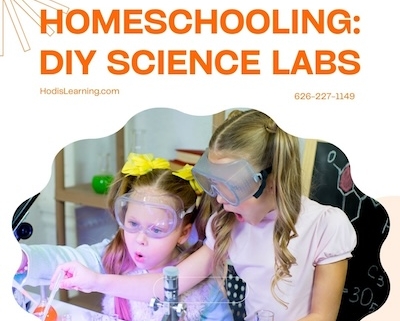
Homeschooling: DIY Science Labs

Homeschooling: DIY Science Labs for Hands-On Learning

Science is a subject that thrives on curiosity, experimentation, and discovery. For homeschooling families, creating DIY science labs at home offers a unique opportunity to engage students in hands-on learning that brings scientific concepts to life. With a little creativity and some basic supplies, you can transform your homeschool environment into a dynamic space for scientific exploration. Here’s how to set up and conduct some DIY science labs that will hopefully inspire a love for science.


The Benefits of DIY Science Labs

  1. Hands-On Learning: DIY science labs allow students to actively engage with the material and develop a deeper understanding of scientific principles. By conducting experiments themselves, students can observe cause-and-effect relationships, make predictions, and test hypotheses. This will enhance their critical thinking and problem-solving skills.
  2. Flexibility and Customization: Homeschooling provides the flexibility to tailor science experiments to your child’s interests and learning level. You can choose experiments that align with their passions, whether that’s chemistry, physics, or biology, and make science more relevant and enjoyable.
  3. Practical Application of Knowledge: DIY science labs allow students to apply theoretical concepts to practical situations. This real-world application reinforces what they’ve learned and helps them see the relevance of science in everyday life. For example, a simple plant growth experiment can teach students about photosynthesis, while also giving them the experience of helping and watching a living thing grow.

Setting Up a DIY Science Lab at Home

  1. Gather Basic Supplies: Setting up a home science lab doesn’t require expensive equipment. Start with basic supplies like beakers, measuring cups, pipettes, thermometers, gloves, and safety goggles. Many experiments can be conducted with household items such as vinegar, baking soda, food coloring, and common kitchen utensils.
  2. Create a Safe and Organized Space: Designate a specific area in your home for conducting experiments. Ensure this space is well-ventilated, easy to clean, and free from clutter and distractions. Safety is paramount, so make sure to keep hazardous materials out of reach and always supervise experiments, especially those involving heat, chemicals, or sharp objects.
  3. Choose Age-Appropriate Experiments: Select experiments that are suitable for your child’s age and understanding. Younger children can start with simple projects like making a volcano with baking soda and vinegar or observing how plants grow in different conditions. Older students might explore more complex topics like building simple circuits or conducting chemical reactions.

Conducting DIY Science Experiments

  1. Follow the Scientific Method: Encourage students to follow the scientific method, which involves asking a question, forming a hypothesis, conducting an experiment, observing the results, and drawing a conclusion. This structured approach teaches students how to think like scientists and develop analytical skills.
  2. Document and Reflect: Have students document their experiments in a science journal. They should record their hypothesis, the materials used, the procedure, and their observations. After the experiment, prompt them to reflect on the outcome: Was their hypothesis correct? What did they learn? What would they do differently next time?
  3. Incorporate Cross-Disciplinary Learning: Science experiments can be an excellent way to integrate learning across different subjects. For example, while conducting an experiment on water density, students can also practice math skills by measuring and calculating ratios. Writing up lab reports can enhance their written language skills, and discussing the environmental impact of their experiments can introduce elements of environmental science and social studies.

Expanding the Learning Experience

  1. Explore Virtual Labs and Online Resources: Many online platforms offer virtual labs and simulations that complement hands-on experiments. These resources can help students explore concepts that might be difficult to replicate at home, such as complex chemical reactions or advanced physics principles.
  2. Connect with the Homeschool Community: Join homeschool groups or online forums to share ideas and resources for DIY science labs. Collaborating with other families can provide new experiment ideas, offer support, and create opportunities for group learning experiences.


Examples of DIY Science Labs

Changing the Color of Flowers (appropriate for ages 5-8)

Materials: White flowers (like carnations); food coloring; a couple of cups, jars, or vases
Instructions:
1. Add water to as many cups as you have flowers!
2. Stir 10-15 drops of food coloring into each cup.
3. Trim the stem of each flower and then put one flower in each cup. Observe how the flower petals change colors!
Scientific Concept: Capillary action, the process by which water moves through the tiny tubes (called xylem) in the stem of the plant.


Invisible Ink
(appropriate for ages 9-13)

Materials: Lemon juice, cotton swabs, white paper, and a light source (e.g., a lamp or candle).
Instructions:
1. Use a cotton swab dipped in lemon juice to write a message on the paper. Let it dry.
2. To reveal the message, hold the paper near a heat source (safely)
Scientific Concept: Heat causes the lemon juice to oxidize, making it visible.


Build a Simple Electromagnet
(appropriate for ages 14-18)

Materials: Copper wire, a large nail, a D battery, and paperclips.
Instructions:
1. Wrap the copper wire around the nail, leaving some wire free at each end.
2. Connect the wire ends to the battery terminals (temporarily).
3. Use the nail to pick up paperclips.
Scientific Concept: Electricity creates a magnetic field, demonstrating electromagnetism.

Conclusion

DIY science labs are an invaluable part of homeschooling, offering students the chance to engage directly with scientific concepts and develop a love for inquiry-based learning. By setting up a safe and organized space, choosing appropriate experiments, and guiding students through the scientific method, you can create a rich and stimulating educational experience at home.

For those looking for additional support, expert homeschool education teachers at Hodis Learning & Music can safely lead students through fun, at-home science labs, ensuring that your child’s science education is both comprehensive and inspiring. Learn more by calling or submitting a form on our website.

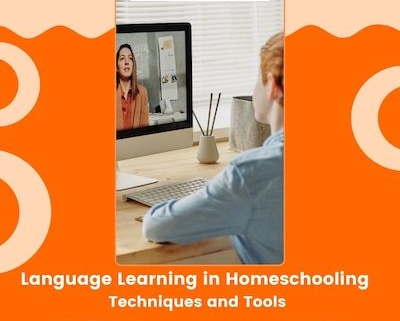
Language Learning In Homeschooling Techniques And Tools

Language learning is an enriching aspect of education, offering students a window into different cultures, expanding cognitive skills, and opening doors to new opportunities. When homeschooling, language learning can be a flexible and personalized experience. With the right techniques and tools, homeschoolers can make significant progress in acquiring a new language while enjoying the journey. This blog post explores effective techniques and useful tools for language learning in a homeschooling setting.


Techniques for Effective Language Learning

Successful language learning involves more than just memorizing vocabulary and grammar rules. It requires a holistic approach that encourages communication, cultural immersion, and consistent practice. Here are some effective techniques for homeschooling language learners:


1. Immersive Learning

Immersion is one of the most effective ways to learn a language. In a homeschool setting, this can be achieved through various means. Encourage your child to watch movies or shows in the target language, listen to music, and read books or articles. This exposure helps build vocabulary and reinforces grammar structures in a natural context. Additionally, consider incorporating language into daily routines, such as labeling objects around the house with their names in the target language.


2. Language Games and Activities

Learning a new language should be fun. Language games and activities engage students in a playful way, helping to reinforce concepts without feeling like work. There are countless language-based games, from flashcards and word puzzles to board games designed for language learning. These activities can be a great addition to a homeschooling curriculum, providing an enjoyable way to practice language skills.


3. Conversational Practice

One of the most critical aspects of language learning is conversational practice. Seek out opportunities for your child to speak with native speakers or other language learners. This can be through language exchange programs, online forums, or local language clubs. Encourage regular practice to build confidence and fluency. If you’re learning the language as a family, make it a point to engage in conversations in the target language during specific times or activities.


4. Incorporate Technology

Technology plays a vital role in modern language learning. Use language learning apps and online resources to supplement traditional teaching methods. Apps like Duolingo, Rosetta Stone, and Babbel offer interactive lessons and exercises that make learning engaging and accessible. Online platforms like iTalki and Preply allow you to connect with native speakers for one-on-one lessons, providing personalized guidance and real-time feedback.

5. Tools to Enhance Language Learning

In addition to techniques, having the right tools can significantly impact the effectiveness of language learning in homeschooling. Here are some essential tools to consider:

  • Bilingual Dictionaries: A good bilingual dictionary is invaluable for language learning. It helps students quickly look up words, understand their meanings, and learn proper pronunciation. Choose a dictionary that’s comprehensive yet easy to use, and encourage your child to use it regularly.
  • Language Learning Software: Language learning software can be a fantastic addition to a homeschooling curriculum. These programs often offer interactive lessons, exercises, and quizzes to reinforce learning. Look for software that aligns with your child’s learning style and provides a clear progression through different language levels.
  • Cultural Resources: Language learning is deeply connected to culture. Include cultural resources like books, movies, music, and food from the target language’s culture. This immersion helps students understand the context behind the language and fosters a deeper appreciation for it.


Takeaway

By incorporating these techniques and tools into your homeschooling curriculum, you can create a rich and engaging language learning experience. Whether your child is learning a language for academic purposes, travel, or personal interest, the flexibility of homeschooling allows you to tailor the learning process to suit their unique needs and goals.


Enroll in Our Expert Homeschool Education Program

Our expert foreign language teachers have years of experience leading students to success in their language development. Learn more about our homeschool education program by calling or emailing us.

Setting Up The Perfect Homeschool Environment

Creating the perfect homeschool environment is essential for promoting learning, focus, and creativity. Unlike traditional classrooms, homeschooling allows for flexible arrangements tailored to the needs and preferences of your family. Whether you’re new to homeschooling or looking to improve your current setup, here are some key elements to consider when designing your ideal homeschool environment.


Choose a Dedicated Space

The first step in creating a homeschool environment is designating a specific area for learning. This doesn’t mean you need a dedicated room; a corner of a living room or kitchen can work just as well. The important thing is to have a consistent space where learning occurs, helping your child transition into “school mode.” Make sure it’s free from distractions and has good lighting.


Invest in Essential Furniture

Once you’ve chosen your space, it’s time to add furniture that fosters comfort and focus. A sturdy desk or table with ample space for books, notebooks, and learning materials is crucial. Include comfortable chairs that support good posture, especially for longer study sessions. Consider additional storage options, such as bookshelves or bins, to keep the area organized and clutter-free.


Ensure Proper Lighting

Good lighting is crucial for maintaining focus and reducing eye strain. Natural light is ideal, so position your homeschool area near a window if possible. If natural light is limited, invest in quality lighting fixtures with adjustable brightness. Desk lamps with adjustable arms can be useful for targeted lighting during reading and writing tasks.


Organize Supplies and Materials

Keeping your homeschool environment organized helps maintain a sense of order and reduces stress. Use bins, baskets, or drawers to store supplies like pencils, markers, and paper. Label storage containers for easy identification, and keep frequently used items within arm’s reach. This organization will help streamline your daily routines and encourage a more efficient learning process.


Create a Visual Learning Space

A visually stimulating environment can enhance learning and engagement. Consider adding a whiteboard or corkboard to display schedules, to-do lists, and educational materials. These visual aids can serve as reminders and help your child stay on track. Additionally, include educational posters, maps, or artwork that reflect your child’s interests and learning topics.

Incorporate Technology Wisely

Technology plays a significant role in modern homeschooling. Equip your homeschool area with a reliable computer or tablet for accessing online resources and educational software. Ensure your internet connection is strong enough to support video lessons and virtual learning activities. However, balance technology use with offline activities to maintain a well-rounded educational experience.


Allow Flexibility and Creativity

While structure is essential, flexibility is also key to a successful homeschool environment. Encourage your child to personalize their space with decorations or favorite items that inspire creativity. Incorporate flexible seating options like floor cushions or bean bags for relaxed reading or project work. This flexibility allows your child to find their comfort zone and adapt to different learning styles.


Designate a Break Area

Homeschooling isn’t all about academics; breaks are crucial for maintaining focus and reducing stress. Create a designated break area where your child can relax, play, or engage in physical activities. This space can be as simple as a play mat or as elaborate as an outdoor play area. Regular breaks will help keep your child refreshed and ready to learn.


Takeaway

By setting up the perfect homeschool environment, you can create a space that promotes learning, creativity, and well-being. With careful planning and a focus on both structure and flexibility, your homeschool environment can become a nurturing and inspiring place for your child’s educational journey.

Enroll in Our Expert, 1-on-1 Homeschool Program Today!

Our expert homeschool teachers can help your student set up the most optimal homeschool environment. Our teachers have years of experience educating K-12 students in their areas of expertise. Learn more about our homeschool education program by calling or emailing us today.

Homeschooling on a Budget

Homeschooling offers flexibility and customization, allowing parents to tailor education to their children’s needs and interests. However, one concern many families face is the cost of teaching resources and materials. While homeschooling can be more affordable than private schooling, it requires careful planning to avoid overspending. Here’s a guide to homeschooling on a budget, where we highlight affordable teaching resources and materials that won’t break the bank.


Use Free Online Resources

The internet is a treasure trove of free educational materials for homeschooling. Websites like Khan Academy, Coursera, and edX offer a wide range of free courses and lessons on subjects from math and science to history and literature. Additionally, platforms like YouTube host educational channels with high-quality content that can supplement your curriculum. Consider using these resources to diversify your teaching materials without spending a dime.


Leverage Public Libraries

Public libraries are an invaluable resource for homeschooling families on a budget. They offer free access to books, audiobooks, DVDs, and online resources. Many libraries also provide educational programs and workshops for children, allowing them to engage in group learning activities at no cost. Visit your local library to explore their homeschool-friendly resources and take advantage of what they offer.


Share and Swap Materials

Homeschooling communities are often tight-knit and supportive. Consider joining local homeschool groups or online forums where you can connect with other homeschooling parents. These communities often organize material swaps, where families can exchange textbooks, workbooks, and other teaching aids. By participating in these swaps, you can acquire new materials without spending extra money.


Embrace Open-Source Curriculum

Open-source curriculum is a budget-friendly option for homeschooling families. Open Educational Resources (OER) are freely available teaching materials that can be customized to fit your curriculum. Websites like OpenStax and OER Commons offer free textbooks, lesson plans, and educational tools that can help you create a comprehensive homeschool program without the high costs of traditional textbooks.


Use Everyday Objects for Learning

Learning doesn’t always require expensive materials. Everyday objects can be transformed into educational tools with a little creativity. For example, measuring cups and spoons can teach math concepts, while common items you might find in your backyard, like leaves, rocks, and shells, can be used for science experiments. Encourage hands-on learning by incorporating these items into your lessons, making education engaging and budget-friendly.

Opt for Digital Resources

Digital resources can be a cost-effective alternative to traditional textbooks. E-books and printable worksheets are often cheaper than physical copies, and they offer the added benefit of being easily shared among multiple children. Additionally, many digital resources are customizable, allowing you to tailor the content to your child’s learning style and pace.


Take Advantage of Free Community Events

Local community events can provide valuable learning experiences for homeschoolers. Keep an eye on free workshops, museum days, nature walks, and other educational activities in your area. These events offer opportunities for socialization and hands-on learning without the need for costly field trips or specialized programs.

By utilizing these affordable teaching resources and materials, you can create a rich and engaging homeschooling experience without overspending. Homeschooling on a budget is possible with creativity, resourcefulness, and a willingness to explore the many free and low-cost options available.


Hire Professionals for Your Homeschooling Needs

Hodis Learning & Music’s expert homeschool education program takes the pressure off parents by managing and delivering every aspect of the homeschool process. Learn more by calling us or submit a form today!

Navigating California homeschool laws

Embarking on the homeschooling journey can be both exciting and intimidating, especially when it comes to understanding and complying with the legal requirements set by California’s Department of Education (CDE). CDE’s regulations ensure that children receive a quality education that is on par with public schools but allow parents the freedom to teach their children in a way that best suits their child’s needs. Read on to learn more about navigating CDE’s homeschooling laws and regulations.


Understanding California Homeschooling Laws

California offers several legal options for homeschooling, each with its own set of guidelines and requirements. These include establishing a home-based private school, enrolling in a private school satellite program (PSP), using a public school independent study program, or hiring a private tutor.

  • Establishing a Home-Based Private School: In this approach, parents file an annual Private School Affidavit with the California Department of Education. Homeschooling as a private school gives you the freedom to choose your curriculum and educational methods, provided that the state’s compulsory education subjects are taught. Hodis Learning & Music’s homeschool education program program files a Private School Affidavit each year for its homeschool students.
  • Private School Satellite Programs (PSPs): These are private schools that offer independent study or homeschool programs. Enrolling in a PSP can help parents comply with state laws while providing support such as record-keeping, curriculum, and teacher guidance.
  • Public School Independent Study: Some local public school districts offer independent study programs. While these programs require regular interaction with a credentialed teacher, they allow for a more personalized learning pace and are often free of charge.

Private Tutoring: Homeschooling can also be conducted through a private tutor who holds a valid state teaching credential for the grades being taught. This method requires instruction for at least three hours per day, 175 days each academic year.


Record Keeping and Assessment

While California homeschool laws do not mandate standardized testing for all homeschooling formats, keeping detailed educational records and regular assessments is advised to monitor your child’s progress and provide documentation in case of any state inquiries. This includes tracking attendance, educational activities, and progress in the core subject areas. Hodis Learning & Music’s homeschool education program keeps detailed records on behalf of its students.


Choose an Appropriate Curriculum

The CDE does not require specific curricula, offering the flexibility to create a custom learning plan that suits your child’s interests and learning pace. When choosing a homeschool curriculum in California, consider the educational goals you have for your child. Hodis Learning & Music’s expert homeschool educators tailor their curricula to students’ specific needs, goals, and interests.


Join a Homeschooling Group or Co-op

Navigating homeschooling requirements can be overwhelming, but you don’t have to do it alone. Joining a local homeschooling group or co-op can provide support, resources, and advice from experienced homeschoolers who are familiar with your state’s regulations. These groups often organize educational activities that can enrich your homeschooling experience and ensure compliance with state educational requirements through group learning sessions.


Stay Informed

Laws can evolve, and staying informed about current and changing homeschooling regulations is crucial. Regular consultations with homeschooling associations like the California Homeschool Network or the Homeschool Association of California can provide valuable updates and insights. Additionally, attending local homeschool conferences can help you stay connected with the broader educational community and remain aware of legal changes and educational strategies.

Understanding and navigating California’s homeschooling laws ensures that your homeschool not only complies with state requirements but also provides a supportive, effective education tailored to your child’s needs.


Final Thoughts

Navigating the regulations and requirements of homeschooling can initially seem daunting, but with proper research and support, it becomes an integral part of crafting a successful educational journey for your child. By understanding local laws, keeping thorough records, and staying engaged with the homeschooling community, you can ensure that your homeschool not only complies with legal standards but also provides a rich, adaptable, and effective education tailored to your child’s needs.


Hire Professionals for Your Homeschooling Needs

Hodis Learning & Music’s expert homeschool education program takes the pressure off parents by managing and delivering every aspect of the homeschool process. Learn more by calling or emailing us today!

Building a homeschool community: Networking and support for families

Homeschooling offers a unique and personalized educational journey for children and their families. However, this path can sometimes feel isolating without the built-in social network of traditional schools. Building a homeschool community becomes invaluable, providing not only academic resources and networking opportunities but also emotional support and social interaction. This blog post explores the importance of such communities and offers practical advice on how families can find and nurture these connections.


The Value of a Homeschool Community

A homeschool community offers a wealth of benefits that extend beyond academics. It provides a platform for sharing educational resources, teaching strategies, and curriculum advice. Beyond academics, these communities offer social and emotional support, helping parents navigate the challenges and rewards of homeschooling. For children, these communities are vital for socialization, offering opportunities to build friendships, engage in group learning activities, and participate in social outings and field trips.


Finding Your Community

Finding a homeschool community that aligns with your family’s values and educational goals can take various forms. Here are some avenues to explore:

  • Online Platforms and Social Media: Online forums, Facebook groups, and educational websites offer a wealth of information and support for homeschooling families. These platforms allow you to connect with others from the comfort of your home, making it easier to find a community that shares your educational philosophies and interests.
  • Local Homeschool Groups: Many areas have local homeschool networks that organize regular meetups, co-op classes, and social events. These groups can be found through online searches, community bulletin boards, or local libraries and community centers.
  • Educational Co-ops: Homeschool cooperatives are parent-led organizations that offer collaborative educational experiences. Joining a co-op can provide your children with a classroom-like setting for certain subjects, group projects, and extracurricular activities.
  • Homeschool Conventions and Workshops: Attending homeschool conventions and workshops is an excellent way to meet other homeschooling families, learn about new educational resources, and participate in professional development as a homeschooling parent.


Building and Nurturing Your Community

Once you’ve found a homeschool community that feels like a good fit, actively participating and contributing to the group can help deepen connections and enhance the benefits for your family. Consider the following:

  • Volunteer: Offering your time or skills to organize events or teach a co-op class can be a great way to get involved and build relationships within the community.
  • Host Social Events: Regularly hosting playdates, field trips, or parent meetups can foster a sense of belonging and provide valuable social interaction for both children and parents.
  • Share Resources: Whether it’s curriculum materials, teaching strategies, or educational games, sharing resources with others can help create a supportive learning environment for all members of the community.

Be Open and Supportive: Finally, being open to new ideas and offering support to other families can help strengthen the community. Sharing experiences, challenges, and successes can inspire and uplift others on their homeschooling journey.


Takeaways

Building a homeschool community is essential for enriching the homeschooling experience for both children and parents. By finding and actively participating in these communities, families can enjoy the benefits of shared resources, socialization, and support. Homeschooling doesn’t have to be a solitary journey—there’s a vibrant and welcoming community waiting to welcome you and your family.


Enroll in Hodis Learning & Music’s Homeschool Education Program

Our homeschool education program offers students the opportunity to receive an expert, fully customized education from the comfort of their home. Students can enroll in courses with their friends or connect with other homeschool students outside of classes. Learn more by calling or emailing us today.

The importance of art and music in homeschool education

In the academically-focused world of homeschool education, the inclusion of art and music can sometimes be an afterthought. However, the integration of the arts into homeschooling is not just beneficial but essential for fostering a well-rounded and enriching learning experience. Art and music education play a pivotal role in developing creative, expressive, and innovative learners. This blog post highlights the importance of arts in education and offers guidance on integrating visual arts, music, drama, and dance into daily lessons.


Emphasizing Creativity and Expression

The arts provide a unique platform for self-expression and creativity, allowing students to explore their feelings, ideas, and perspectives in a way that words alone cannot. Through activities in drawing, painting, sculpting, music, dance, and drama, students learn to communicate complex thoughts and emotions. This expressive capability is crucial not only in developing personal identity and emotional intelligence but also in enhancing problem-solving and critical thinking skills.


Visual Arts: A Window to the World

Integrating visual arts into homeschooling can start with simple projects like sketching objects from nature, creating family portraits, or designing imaginative landscapes. Encourage exploration of different mediums – pencils, crayons, markers, paints – and techniques to provide a comprehensive understanding of visual expression. Homeschoolers have the flexibility to take inspiration from their immediate environment, incorporating lessons from history, culture, and even mathematics into art projects. For instance, geometric shapes and patterns can be a fun way to merge math with art.


Music: The Universal Language

Music education is about more than just learning to play an instrument. It encompasses understanding rhythm, melody, harmony, and the cultural contexts from which music originates. Start by introducing a variety of music genres from classical to folk to jazz, encouraging an appreciation for the diversity of musical expression. For hands-on learning, consider simple instruments like recorders or ukuleles for beginners, gradually progressing to more complex instruments (e.g., guitar, piano, etc.) as interest and skills develop. Incorporating music theory, songwriting, and composition can also enrich the musical learning experience.


Drama and Dance: Movement and Storytelling

Drama and dance education in homeschooling can be particularly engaging, offering students the chance to explore narratives, characters, and emotions through movement and role-play. Simple activities like miming, improvisational games, and storytelling exercises can significantly enhance verbal and non-verbal communication skills. Choreographing dance routines or producing mini-plays are excellent ways for students to work collaboratively, fostering teamwork and empathy.


Practical Tips for Integrating the Arts

  1. Dedicate Time Each Week: Allocate specific times in your homeschool schedule for arts education to ensure consistent engagement.
  2. Use Online Resources: There are countless online tutorials, classes, and resources available for art and music education that can guide your teaching and provide inspiration.
  3. Attend Workshops and Events: Take advantage of local art galleries, museums, concerts, and theater productions to provide real-world exposure to the arts.
  4. Encourage Personal Projects: Give students the freedom to pursue personal projects in areas of their interest within the arts, fostering independence and self-motivation.
  5. Hire An Expert Art or Music Teacher: Consider hiring a teacher to teach art and music homeschool classes. While Hodis Learning & Music offers expert, 1-on-1 art instruction and music lessons, we also offer homeschool classes in these areas. Call or email us today to learn more about our homeschool education program.


Conclusion

The inclusion of art and music in homeschooling enriches the educational landscape by fostering creativity, expression, and cultural appreciation. By integrating the visual arts, music, drama, and dance into daily lessons, parents can offer a holistic learning experience that prepares students not just academically, but also emotionally and socially for the world beyond. The arts are not merely a supplement to education; they are a vital component of a comprehensive learning journey.

Homeschooling students with disabilities

Homeschooling a child with disabilities presents unique challenges, but with the right resources and strategies, it can also offer unparalleled rewards. Tailoring education to fit the individual requirements of a child can lead to significant strides in both academic achievements and personal growth. For parents and educators ready to embark on this journey, here are essential resources and strategies to ensure a fulfilling and effective homeschooling experience for children with disabilities.


Understanding Individual Needs

The cornerstone of homeschooling a child with disabilities is a deep understanding of their needs. This could range from learning disabilities, developmental disorders, to physical disabilities. Start by consulting with professionals who can help identify your child’s strengths and areas that require support. This assessment forms the basis of your tailored educational plan.


Creating a Supportive Learning Environment

A supportive learning environment is vital. This means not only a physical space that accommodates the child’s needs (e.g., sensory-friendly lighting, accessible workstations) but also an emotional atmosphere that fosters confidence and resilience. Flexibility in scheduling and teaching methods is crucial; what works one day may not work the next, and being adaptable is key.


Leveraging Tailored Educational Resources

Numerous resources are available specifically designed for children with disabilities. These include curriculum packages, educational apps, and online platforms that offer customizable learning experiences. For instance, websites such as Time4Learning and Khan Academy provide interactive lessons that can be adjusted for pace and complexity. Additionally, tactile learning materials, audiobooks, and visual aids can be invaluable, depending on the child’s needs.


Incorporating Therapeutic Activities

Education for children with disabilities often extends beyond academics. Incorporating therapeutic activities into the homeschooling routine can significantly enhance the learning experience. Activities such as music therapy, occupational therapy exercises, or speech therapy games can be seamlessly integrated into daily lessons, providing a holistic approach to education.


Building a Community

Homeschooling offers more and different opportunities for socialization than traditional schools do. For children with disabilities, building a community can be even more crucial than for students without disabilities. Participate in homeschooling groups, disability education forums, and local community activities designed for children with disabilities. Such networks not only offer social opportunities but also provide a platform for sharing resources and support among parents and educators.

Empowering Through Technology

Technology can be a powerful ally in homeschooling children with disabilities. Assistive technologies—from speech-to-text software and audiobooks to interactive learning tools—can make learning more accessible and engaging. Many apps and software are designed with disabilities in mind, offering customizable interfaces and learning experiences.


Professional Support and Collaboration

While homeschooling offers a personalized education, it’s important to collaborate with professionals. Regular consultations with educational therapists, psychologists, special education teachers, and homeschool professionals can provide guidance and reassurance. These experts can offer specialized strategies, monitor progress, and suggest adjustments to the educational plan.

Homeschool professionals like the staff and educators at Hodis Learning & Music can make a huge impact on a student’s learning and development. Our team has years of experience providing homeschool education to students with disabilities. We can take stress and work off of your plate with our homeschool program that identifies students’ strengths and weaknesses, creates a customized curriculum, delivers expert instruction, and uses individualized assessments to track student achievement.


Takeaway

Homeschooling a child with disabilities is a journey marked by challenges, learning, and immense rewards. By understanding the child’s unique needs, leveraging tailored resources, and building a supportive community, parents can provide a nurturing and effective educational experience. Remember, the goal is not just academic success but fostering an environment where the child can thrive, build confidence, and achieve their fullest potential. With patience, creativity, and the right strategies, homeschooling can be a deeply enriching experience for children with special needs and their families.


Enroll in Hodis Learning & Music’s Expert Homeschool Education Program

Hodis Learning & Music provides expert, fully customized K-12 homeschool education that fits student’s individual needs. Our expert homeschool educators have experience working with students of all ages and backgrounds. Learn more about our services by calling or emailing us today!

Homeschool Enrollment Open

Enrollment is open for homeschooling with Hodis Learning and Music (HLM)! Homeschool programs are offered for all common core subjects for grades K-12, as well as academic enrichment classes, electives, and art and music lessons. Trying to decide if homeschooling is right for you and your family? Read on to learn more about HLM’s homeschool program.

Why Homeschool Might be Right for You & Your Student

1. Your student needs to go at their own pace

Perhaps your student is bored in a traditional classroom setting because they quickly and easily learn the material. In a homeschool setting, our educators will teach at a pace that matches the student’s abilities and understanding. Our educators can also provide a more advanced curriculum in real-time as students progress.

Maybe your student has the opposite experience: they struggle to keep up in a standard classroom. This could be for any variety of reasons– some students need more time to understand the material, or maybe they need more hands-on experience, more practice, or unconventional examples that can make the subject more digestible. Our homeschool educators are excellent at meeting your student where they are and ensure they thoroughly understand the material. Educators are well-versed in providing hands-on activities and live feedback to help students.

Additionally, our educators have experience working with both neurotypical and neurodiverse students. We can accommodate your student’s unique needs and help them learn and thrive.


2. Your student needs to catch up

At HLM, we understand that life circumstances can come up and affect a student’s ability to succeed in the classroom. You might be in a position where your student isn’t ready to advance to the next grade level in a traditional school setting, but they would like to get there. Homeschooling can be a great opportunity for your student to get personalized attention and instruction that will reinforce prior learning and help them prepare to re-enter a traditional classroom.


3. Your student wants to pursue other activities outside of school

Homeschooling can be an attractive option for students with ambitious extracurricular goals, such as pursuing acting or professional athletics, which often demand extensive time commitments. For these students, traditional schooling schedules may clash with the rigorous training and performance schedules required by their pursuits. Homeschooling offers the flexibility to tailor their academic schedules around their extracurricular activities, allowing them to dedicate more time and energy to honing their skills. This flexibility can be crucial in enabling them to pursue their passions wholeheartedly without compromising their education.


Who is eligible for homeschool instruction?

Students who would like to receive in-person services may do so if they live or can meet in the cities of South Pasadena, Pasadena, San Marino, San Gabriel, Highland Park, Eagle Rock, and Alhambra. Online homeschool instruction is available to students everywhere in the country via Zoom.


Sign up today!

Learn more about the Hodis Learning & Music homeschool program here. To reserve your spot for the fall 2024 semester, send an email or call (626) 227-1149.

Balancing Homeschool and Work: Tips for Working Parents

Homeschooling has become a chosen path for many families, offering a tailored educational experience for children. However, balancing homeschooling with a professional career can seem like a daunting endeavor. Working parents who take on the role of educators must navigate time management, educational quality, and personal commitments, all while striving to excel in their professional roles. This blog post offers practical tips to help working parents find balance between their careers and providing a homeschool education, ensuring both areas flourish.


1. Establish a Structured Routine

Consistency is key in managing dual responsibilities effectively. Create a schedule that delineates specific times for work, teaching, and family activities. A structured routine aids in setting clear expectations for the day, allowing parents and children to be prepared and focused on the tasks at hand.


2. Embrace Flexibility

While a routine is crucial, so is flexibility. The ability to adapt to unforeseen changes or to shift priorities when necessary is vital for maintaining balance. This might mean adjusting work hours to accommodate a homeschooling project or taking advantage of quieter times in the workday to spend quality educational time with your child.


3. Designate Dedicated Spaces

Having a specific area in the home for work and another for homeschooling can significantly enhance focus and productivity. It creates a physical boundary that helps both parents and children switch gears mentally, depending on whether they’re stepping into a space for learning or professional duties. This separation is vital in maintaining a balance, ensuring that both homeschooling and work tasks are given the attention and respect they deserve.


4. Emphasize Quality Over Quantity

When balancing work and homeschooling, it’s crucial to focus on the quality of educational engagement rather than the quantity of hours spent. Engage in meaningful, interactive learning sessions that stimulate curiosity and learning. Remember, the goal of homeschooling is to foster a love for learning, not just to complete a checklist of educational tasks.


5. Prioritize Self-Care and Quality Time

Balancing homeschooling and work demands a lot from parents. It’s vital to allocate time for self-care and family activities. These moments are essential for recharging your energy, maintaining mental health, and nurturing family bonds, thereby creating a supportive environment for both homeschooling and professional success.


6. Leverage Homeschool Services and Resources

Maximize the benefits of homeschool services and resources to enrich your child’s learning experience. These services can offer a structured curriculum, interactive learning tools, or personalized support, which eases the educational load on working parents. Companies like Hodis Learning & Music offers a full-service homeschool education program that can relieve parents of all hands-on responsibilities for their student’s homeschooling, giving parents the bandwidth to focus on their work and the peace of mind knowing that the child’s academic needs are being met by an expert.


7. Seek Support Through Academic Tutoring Services

Academic tutoring may be an invaluable part of maintaining balance between homeschooling and professional responsibilities. Such services can supplement your homeschooling efforts, providing expert guidance, and personalized learning experiences for your child. Tutors can take on specific educational challenges, which helps to take some responsibilities off your plate. Consider expert, 1-on-1 tutoring at Hodis Learning & Music, to get the most out of your child’s time with their tutor.


8. Hire Expert Homeschool Educators

If balancing homeschooling and work becomes too difficult, it may be time to hire expert homeschoolers to take over some or all of your child’s courses. At Hodis Learning & Music, we assess student’s needs, goals, and learning preferences, and match them with expert homeschool educators who create a personalized curriculum for your student. With the 1-on-1 or small group nature of our homeschool courses, students receive dedicated attention and tailored lesson plans to help them flourish in their studies.


Takeaway

Blending homeschooling with a career is an intricate dance that requires planning, flexibility, and support. By establishing a structured yet adaptable routine, utilizing the right resources, and prioritizing well-being, working parents can create a fulfilling and effective educational experience for their children while also excelling in their careers. Busy parents may consider hiring tutors or homeschool educators to offload some of the homeschooling responsibilities.


Enroll in Hodis Learning & Music’s Expert Homeschool Education Program Today!

Hodis Learning & Music provides expert, fully customized K-12 homeschool education that fits student’s individual needs. Our expert homeschool educators have experience working with students with and without disabilities. Learn more about our services by calling or emailing us today!

Benefits of Homeschooling

Your child’s education is incredibly important. When it comes to considering all their options, you might start considering homeschooling. There are many benefits of homeschooling your child. We’ll explore some of the most common benefits so you can assess if homeschooling might be a good fit for your child.


Tailored Learning Experience

Homeschooling allows for a personalized education approach, where educators can tailor the curriculum and teaching methods to suit the student’s learning style and pace. Whether it’s through hands-on activities, educational games, or real-world experiences, educators can adapt their teaching approach to ensure that their student is learning in a way that is most effective for them. This can help the student develop a deeper understanding of concepts and have a more enjoyable learning experience.


Flexible Schedule

Homeschooling offers far more flexibility in terms of scheduling than traditional schools. Families can choose when, where, and how often to conduct lessons. This can allow for more quality family time or the ability to schedule other activities outside of school that the student may be interested in.


Individualized Attention

One of the main benefits of homeschooling is the individualized attention that the student receives. Instead of a traditional classroom, where a student is one of many, in a homeschool setting, your child receives one-on-one instruction. This allows an educator to identify and address the student’s strengths and weaknesses more effectively and ensure they fully understand each concept.


Comfortable Learning Pace

In a homeschooling environment, students can learn at their own pace without the pressure of keeping up with the rest of the classroom. This allows for a more thorough understanding of concepts, as students can take the time they need to master a topic before moving on to the next. This can be important for students who have learning differences and need extra attention and time. Or perhaps they easily grasp certain concepts and are ready to move on to more advanced topics.

Homeschooling with Hodis Learning & Music offers a nurturing, tailored, and comprehensive educational experience that empowers your child to reach their full potential. To learn more about homeschooling, email us or call (626) 227-1149.

Elementary School Homeschooling

In the evolving landscape of education, homeschooling has emerged as a significant and effective alternative to traditional schooling, particularly for elementary-aged children. Hodis Learning & Music is dedicated to providing top-notch homeschool education and understands the intricacies involved in embarking on a homeschool educational journey. This blog post aims to offer a comprehensive guide to parents considering homeschooling for their elementary school-aged children.


Why Choose Homeschooling

Homeschooling allows for a personalized learning experience that can be tailored to suit the individual needs, learning styles, and pace of each child. Unlike the one-size-fits-all approach of traditional schools, homeschooling empowers parents to curate the curriculum and learning environment that best fits their child, promoting a deeper, more meaningful educational experience. This personalized approach often leads to enhanced retention of knowledge, fosters a love for learning, and can cater to learning differences with greater flexibility.


Curriculum Development and Resources

Designing an effective curriculum is pivotal in homeschooling. It should encompass a broad spectrum of subjects including mathematics, science, reading, writing, social studies, and the arts. Our company offers a variety of customized curriculums that are designed to engage young learners. These resources are crafted to stimulate curiosity, encourage critical thinking, and develop foundational skills essential for lifelong learning. Moreover, we provide supplemental materials such as interactive activities, educational games, and project-based learning kits to enrich the homeschooling experience.


Creating an Effective Learning Environment

The learning environment in a homeschool setting extends beyond the physical confines of a traditional classroom. It includes the atmosphere, the emotional and social context, and the routines established by the homeschooling family. Creating a structured yet flexible schedule can help children understand the importance of time management and discipline while also accommodating the natural ebb and flow of a child’s daily energy levels and interests. Our homeschool educators assist parents in setting up a conducive learning space that is engaging, comfortable, and conducive to learning.


Socialization and Extracurricular Activities

A common concern about homeschooling is the aspect of socialization. However, with thoughtful planning, homeschoolers can have ample opportunities to interact with peers and participate in group activities. Local homeschooling groups, sports teams, art classes, and community service projects provide excellent avenues for children to develop social skills, teamwork, and friendships. Our group homeschool classes (2 or 3 students with 1 educator) provide the perfect opportunity to learn and collaborate with peers.


Support and Community

Embarking on a homeschooling journey can be daunting, but you’re not alone. Through webinars and interactive workshops, we provide continuous support to families, ensuring they have the resources and guidance needed to navigate the elementary school years successfully.


Takeaway

Homeschooling in the elementary years is a rewarding endeavor that can provide a solid foundation for a child’s educational journey. It offers a bespoke educational experience that can be tailored to the child’s unique learning style, pace, and interests. Hodis Learning & Music is committed to supporting families in providing a high-quality, comprehensive educational experience that nurtures knowledgeable, confident, and well-rounded individuals. Embrace the homeschooling journey with confidence, knowing you have a partner every step of the way.


Enroll in Hodis Learning & Music’s Expert Homeschooling Program Today!

Hodis Learning & Music provides expert, fully customized K-12 homeschool education that fits student’s individual needs. Our expert homeschool educators have experience working with students of all ages and backgrounds. Learn more about our services by calling or emailing us today! 

Middle School Homeschooling

Transitioning into middle school is a pivotal phase in a student’s educational journey, and for homeschooling families, it presents a unique set of opportunities and challenges. Specializing in homeschool education, Hodis Learning & Music is dedicated to guiding parents through the nuances of homeschooling during these crucial years. This blog post provides parents with a comprehensive guide to homeschooling their middle school-aged children effectively.


Understanding the Middle School Mindset

Middle school students are at a crossroads of development; they are no longer elementary-aged children yet not quite high school teenagers. This period is marked by rapid changes in cognitive, emotional, and social growth. Recognizing this, Hodis Learning & Music tailors homeschooling to accommodate these developmental needs, offering an education that is as nurturing as it is rigorous. Curriculum is adapted to the child’s evolving interests, learning pace, and emotional maturity, providing a balanced approach to intellectual and personal development.


Curriculum Design: Balancing Rigor and Engagement

Developing a curriculum for middle school homeschoolers requires a balance between maintaining academic rigor and keeping the content engaging. Subjects become more advanced, and students are encouraged to delve deeper into each area of study. Hodis Learning & Music offers a range of curriculum resources that are specially designed for the middle school level, focusing on critical thinking, problem-solving, and independent study skills. These resources are meant to challenge students intellectually while also sparking their curiosity and passion for learning.


Fostering Independence and Responsibility

Middle school is an excellent time to foster independence in students, preparing them for high school and beyond. Homeschooling allows parents to gradually shift the responsibility of learning to the student, encouraging them to set goals, manage their time, and develop self-discipline. This transition is facilitated by our educational tools and resources that promote self-directed learning, helping students to become proactive and accountable for their educational journey.


Socialization and Extracurricular Engagement

Social development is crucial during the middle school years. Homeschooling parents can facilitate this by providing their children with opportunities to engage with peers through sports, clubs, volunteer work, and other extracurricular activities. Our group homeschooling courses (2 or 3 students with 1 teacher) provide collaborative learning opportunities, ensuring that homeschoolers have the chance to develop socially, build friendships, and work collaboratively, just like in a traditional school setting.


Support Systems and Community Connections

The homeschooling journey is enriched by a strong support system and an engaged community. We provide a platform for parents to connect, share experiences, and access expert advice. Through webinars and interactive workshops, we provide continuous support to families, ensuring they have the resources and guidance needed to navigate the middle school years successfully.


Enroll in Hodis Learning & Music’s Expert Homeschooling Program Today!

Hodis Learning & Music provides expert, fully customized K-12 homeschool education that fits student’s individual needs. Our expert homeschool educators have experience working with students of all ages and backgrounds. Learn more about our services by calling or emailing us today! 

Homeschool Services by Hodis Learning & Music

Hodis Learning & Music is excited to now offer homeschool services to students K-12. Learn more about what is included with homeschooling and discover if it might be the right choice for you and your student.


An Overview

Homeschooling can be conducted in one-on-one or small group settings. Students will receive instruction from expert educators who have studied their subject material at the university level, and have years of experience teaching students of all abilities, including both neurodiverse and neurotypical students. All common core school subjects are offered as well as art lessons and music lessons.

After signing up for classes, you’ll receive a customized curriculum for each subject based on your student’s goals, learning style, and how often you want lessons. Students will receive regular academic advising sessions to assess their progress and help them work toward their goals. Parents or guardians will receive regular progress reports to inform them how their student is performing.


Common Reasons Families Choose Homeschooling

  • An outstanding event has made attending a traditional school challenging
  • A student wants to pursue activities and interests outside of school and needs a more flexible education
  • Families are seeking an education that is different than what’s provided at a traditional school, such as:
    • Individualized attention and pacing
    • Customized lesson plans
    • Non-traditional assessments that prioritize learning over testing
    • Flexible scheduling and virtual instruction
    • Teachers who can work with neurodiverse students

It’s important to evaluate your student’s needs and goals. Our academic advisors are also happy to discuss our homeschooling program with you and help you determine if our program is the right fit for you and your student.

Tuition and Term Duration

For more information about homeschool rates, visit the homeschool tuition page on our website. Term durations are also listed, but keep in mind that Hodis Learning & Music offers flexible pacing depending on how frequently you’d like to meet and how your student progresses through the material.

Conclusion

Homeschooling with Hodis Learning & Music offers a nurturing, tailored, and comprehensive educational experience that empowers your child to reach their full potential. To learn more about homeschooling call or email us today!