
Tag Archive for: social support

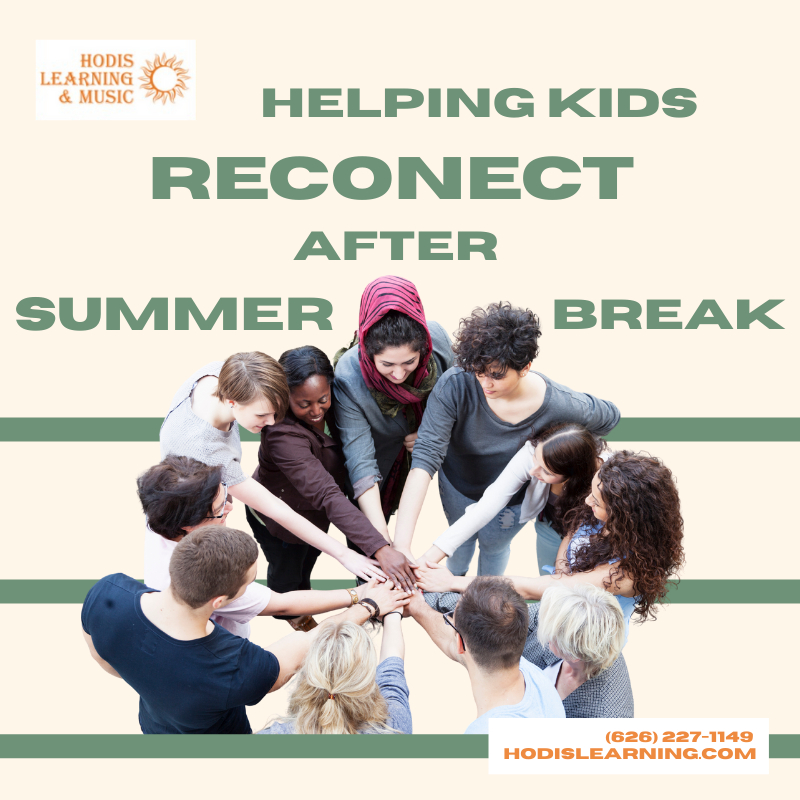
Helping Kids Reconnect After Summer Break

The long, carefree days of summer are a wonderful break for children, but returning to the school routine in the fall can be a big adjustment, especially when it comes to reconnecting with peers. For younger students in particular, making or rebuilding friendships after the summer break can feel daunting.

In this post, we explore how parents, teachers, and tutors can work together to encourage positive peer relationships, especially for children who may be shy or struggle with social confidence.

The Importance of Positive Peer Relationships

Children thrive when they feel connected. Friendships at school not only make the day more enjoyable but are important opportunities to build strong social bonds. Positive social experiences can help younger students feel more motivated to learn and more willing to participate in group activities. Unfortunately, after a long break, some kids may feel out of practice or unsure of where they fit in.

Recognizing the Challenges for Some Students

Not all kids jump right back into social settings with ease. Some children may feel nervous about initiating conversations or joining group play. Others might worry that their friends have changed or that they’ve missed out during the summer. These feelings are natural but can be overwhelming without the right support.

Parents, caregivers, and teachers can help by recognizing signs of social hesitation, such as reluctance to go to school, isolation at recess, or anxiety about group projects. Offer gentle encouragement and structured opportunities to rebuild those connections.

Simple Activities to Encourage Social Connection

Here are a few low-pressure, high-impact activities caregivers and teachers can promote to help kids ease back into peer relationships:

  • “About Me” Collages or Presentations: Let students share something fun about their summer. This encourages conversation and highlights shared interests and experiences.
  • Cooperative Learning Games: Organize small group activities where success depends on teamwork. These could be group puzzles, STEM challenges, or classroom scavenger hunts.
  • At-Home Playdates or Group Meetups: Parents can organize low-key social events outside school hours to help strengthen budding friendships.

How Tutors Support Social Growth

At Hodis Learning & Music, we believe that learning is more than just academics. It’s about supporting the whole child. Our tutors are not only skilled educators but also empathetic mentors who understand the importance of peer connection, especially after transitions like summer break.

Here’s how we help:

  • Building Confidence Through One-on-One Support: When a child feels capable in the classroom, they’re more likely to participate in group settings. Our tutors work to build foundational skills and boost self-esteem.
  • Encouraging Communication Skills: Whether it’s through reading comprehension discussions, math problem-solving collaboration, or creative writing prompts, we help students practice expressing themselves.
  • Providing a Safe, Encouraging Environment: Our sessions are judgment-free zones where students feel valued. That emotional safety often spills over into their school lives, making social risks feel less intimidating.

Final Thoughts

Whether your child is eager or anxious about the new school year, a little intentional effort can go a long way in fostering positive peer relationships.

And remember, you’re not in it alone. At HLM, we’re here to support your child academically and emotionally, every step of the way. Call or email us today to learn more about tutoring.


Homeschooling And Mental Health: Supporting Your Child's Emotional Well-being

Homeschooling offers a unique opportunity to closely monitor and support your child’s emotional and mental health. The individualized learning environment can foster a strong sense of self, confidence, and academic success. However, it also comes with unique challenges that can affect a child’s emotional well-being. As a parent or guardian, understanding how to navigate these challenges is crucial. Here, we explore strategies to ensure that your homeschool environment supports your child’s emotional development.

Create a Supportive Learning Environment

A supportive homeschool environment is key to nurturing your child’s mental health. This means creating a space that is not only conducive to learning but also warm and inviting. Personalize the learning area with your child’s input, allowing them to add elements that make them feel comfortable and relaxed. Additionally, a structured routine without being overly rigid can help reduce anxiety and stress by providing a predictable and secure framework for the day.

Incorporate Social Interaction

Social skills are critical for emotional development and mental health. Homeschooling parents can foster these skills by arranging regular social interactions. This might include participating in local homeschool co-ops, sports teams, or special interest clubs like robotics or drama. Social interaction should also extend to different age groups, helping homeschooled children become more adaptable and empathetic in diverse social settings.


Promote Physical Activity

Physical health is deeply connected to mental health. Regular aerobic exercise is vital for reducing anxiety and depression and improving mood and self-esteem. Incorporate physical education into your homeschool routine, whether it’s structured sports, dance lessons, or simply playing outside. The goal is to keep your child active and engaged.


Teach Mindfulness and Stress Management

Mindfulness and stress management are valuable skills for managing emotional well-being. Teach your child simple mindfulness exercises like deep breathing or meditation. These techniques can help them handle stress more effectively and develop a greater awareness of their emotional states. Also, consider integrating these practices into your daily routine, perhaps starting the day with a short meditation session to set a calm, focused tone.

Regular Check-ins

Make it a habit to check in regularly with your child about their feelings and experiences. These check-ins can be informal, like during mealtimes, or structured as part of your weekly schedule. The key is to listen actively and empathetically, validating their feelings and providing support or advice when needed.


Seek Professional Help When Necessary

Despite a parent’s best efforts, sometimes professional help may be needed. Be open to seeking support from a mental health professional if your child exhibits persistent signs of depression, anxiety, or other emotional issues. Early intervention is crucial in addressing mental health challenges effectively.

Final Thoughts

Supporting your child’s mental health in a homeschool setting requires awareness, proactive strategies, and sometimes professional guidance. By creating a supportive environment, ensuring social interaction, promoting physical health, and teaching mindfulness, you can help manage the stresses that come with homeschooling. Remember, the goal is not only to educate your child academically but also to nurture a well-rounded, emotionally resilient individual. To learn more about homeschooling with Hodis Learning & Music, call or email us today.

Social support and academic performance.

The significance of diligence, strong executive functioning skills, and intellectual aptitude (to a certain extent) cannot be overstated when it comes to academic achievement. Yet, an often underappreciated factor that plays a crucial role in shaping students’ academic journeys is the presence of robust social support. As educational landscapes evolve, understanding the profound impact of social support on academic performance is paramount for students and parents alike.


Seeking Social Support Is a Form of Self-Care

Like healthy eating, sleeping well, and exercising regularly, seeking social support is a form of self-care and is crucial for academic success. Regularly spending time with trusted loved ones can help to reduce feelings of loneliness, depression, and anxiety, which may improve a student’s ability to perform in school.


Social Support Is Protective During Challenging Times

Academic journeys are replete with challenges and setbacks. From the pressure of exams to the rigor of daily assignments, students navigate a maze of responsibilities. Social support becomes essential during stressful times, acting as an emotional bulwark against the tide of academic stress. Friends, family, and educators contribute to a support network that fosters emotional resilience, enabling students to maintain focus and persevere through challenges. The reassurance and encouragement from a supportive community can transform the daunting journey of education into a more manageable and less isolating experience.


Enhancing Motivation and Engagement

Motivation is the fuel that drives the engine of learning. Social support nurtures this vital ingredient by providing encouragement, recognition, and constructive feedback. When students feel supported, they are more likely to engage deeply with their studies, participate actively in learning activities, and pursue their academic goals with vigor. The presence of a supportive network can ignite a student’s passion for learning, encouraging them to explore, question, and delve deeper into their subjects.


Cultivating a Growth Mindset

A strong support system can instill a growth mindset in students, empowering them to view challenges as opportunities for development rather than insurmountable barriers. This perspective encourages resilience, prompting students to embrace failure as part of the learning process and persist in the face of difficulties. Such a mindset is invaluable for academic success, as it fosters an adaptive and proactive approach to learning and problem-solving.


The Role of Academic Tutoring

Academic tutoring is uniquely positioned to extend and amplify a student’s network of support. Tutors do more than just impart knowledge; they act as mentors, motivators, and guides. They can personalize learning, address individual challenges, and provide the tailored encouragement that students need to excel. Tutors’ support goes beyond academics, contributing to the student’s overall sense of well-being and self-efficacy, which are critical for sustained academic success.


A Collaborative Path to Excellence

The interplay between academic tutoring and a students’ social support systems creates a synergistic effect that can significantly enhance a student’s academic performance. Tutoring provides the expertise and personalized attention that catalyzes understanding of concepts while also adding to the social support systems that offer the emotional and motivational reinforcement that sustains academic journeys. Together, tutoring and social support form a powerful alliance that fosters an environment where students can thrive academically, emotionally, and socially.


Takeaway

The importance of social support in academic performance is profound. It is a critical element that can dramatically enhance the effectiveness of educational interventions, including academic tutoring. By acknowledging and integrating the power of social support, tutoring services can offer a more holistic and impactful educational experience, paving the way for students to achieve their full academic potential. In the competitive and ever-changing world of education, nurturing this supportive ecosystem is not just beneficial—it’s essential for realizing the true potential of learners at every level.


Sign Up for Tutoring Today

If your student is struggling in a class, then reach out to start tutoring today. We offer tailored, in-home tutoring for all K-12 subjects. Our expert tutors help students flourish in their academics with an improved understanding of course material and by keeping students accountable, helping students to cultivate confidence, and reframing challenges as learning experiences. Learn more or schedule your first session by calling or emailing us today.