Tag Archive for: art portfolio

Is your art school application ready?

A Step-by-Step Checklist for Aspiring Artists

Applying to art school is an exciting milestone! Your application is your chance to show who you are, not just as a student, but as a creative thinker and visual storyteller.

But between portfolio requirements, essays, and deadlines, it’s easy to feel overwhelmed. That’s where we come in. At Hodis Learning and Music, we’re here to guide you through the process and help you put your best work forward.

Here’s a step-by-step checklist to make sure your art school application is truly ready to shine:

1. Know Your Schools’ Requirements

Every art school is different. So before anything else, research your top choices and pay close attention to:

  • Application deadlines (early action, regular decision, rolling, etc.)
  • Portfolio requirements (number of pieces, accepted mediums, formats)
  • Essay or personal statement prompts
  • Letters of recommendation
  • Transcript or GPA minimums
  • Standardized test requirements (many art schools are test-optional, but check!)

Tip: Create a spreadsheet to track each school’s requirements and deadlines.

2. Curate a Strong, Cohesive Portfolio

Your portfolio is the heart of your application. It’s your opportunity to show admissions teams not just what you can do, but how you think as an artist.

Here’s what to focus on:

  • Quality over quantity: Most schools ask for 10–20 pieces. Choose your strongest work.
  • Show range: Include different mediums, subjects, and techniques if possible.
  • Highlight personal voice: Admissions officers want to see who you are in your art.
  • Follow directions exactly: Pay attention to format, image size, and labeling.

Pro tip: Before submitting, review your portfolio with a knowledgeable art instructor or tutor. A second pair of trained eyes can help you catch weak spots, refine your presentation, and ensure your work aligns with what schools are looking for.

3. Write a Compelling Artist Statement or Essay

Most art schools will ask for a personal essay or artist statement. This is your chance to:

  • Explain why you want to study art
  • Share your creative journey or influences
  • Reflect on your process and goals as an artist

Be honest, authentic, and reflective. Don’t just repeat what’s in your resume.

4. Ask for Strong Letters of Recommendation

Choose recommenders who know you well, preferably teachers, art instructors, or mentors who can speak to both your artistic skills and work ethic.

Be sure to:

  • Ask early. We recommend asking at least 3–4 weeks before the deadline.
  • Provide context, such as your resume or portfolio.
  • Say thank you. A handwritten note means a lot and can make a lasting impression.

5. Polish Your Resume or CV

Some schools request a resume outlining your artistic and academic experience. This is your chance to show you’re a well-rounded applicant. Include things like:

  • Art classes or programs you’ve taken
  • Exhibitions or showcases
  • Competitions or awards
  • Relevant jobs or internships
  • Volunteer or leadership experience

6. Prepare for Optional Interviews

Not all programs require interviews, but some may offer them as part of the application process or as an opportunity to earn scholarships.

If you’re invited to interview:

  • Be ready to discuss your portfolio and creative goals
  • Practice speaking confidently about your work
  • Come prepared with thoughtful questions about the program

7. Double Check and Submit on Time

Before submitting:

  • Review every requirement one more time
  • Confirm all images are properly labeled and formatted
  • Proofread your essay and resume
  • Ensure letters of recommendation have been uploaded
  • Submit well before the deadline if possible

Bonus Tip: Don’t Go It Alone

Applying to art school is a big task, but you don’t have to do it by yourself. Whether you need help curating your portfolio, writing your essay, or simply managing deadlines, our team includes experienced art educators and academic tutors who understand what admissions teams are looking for and how to help you present your best, most authentic self.

Book a portfolio review or tutoring session today! You can email or call us at (626) 227-1149.
Funding and Grants for Artists

Whether you’re a painter, sculptor, photographer, or multidisciplinary artist, securing funding and opportunities for artistic growth can be critical to advancing your career. Grants, residencies, and fellowships offer financial support, creative time, and valuable networking opportunities. But how do you find the right ones, and how can you stand out in a sea of applicants? We’ll walk you through the steps to finding and applying for art grants, residencies, and fellowships and share tips for writing compelling applications.


1. Finding the Right Opportunities

The first step is to discover the opportunities that match your artistic practice, career goals, and location. Here’s where to look:

Online Databases and Art Platforms

– Websites like Res Artis, TransArtists, and Alliance of Artists Communities are great for finding residencies.
– Platforms like Creative Capital, ArtDeadline.com, and NYFA Source list grants and fellowships.
– Local arts councils often offer grants to artists based in specific regions.

Networking and Social Media

– Follow artists, organizations, and curators on platforms like Instagram. Artists frequently share upcoming opportunities.
– Join online artist groups on Facebook or LinkedIn, where members often post residency or grant opportunities.

Newsletters and Mailing Lists

– Sign up for newsletters from arts organizations, galleries, and foundations. Many grants and residencies are announced directly through these channels.


2. Understanding the Types of Support

It’s important to know what you’re applying for and how it aligns with your current needs:

Art Grants

Grants are typically financial awards that don’t require repayment. They can cover costs like project development, exhibitions, or personal artist growth. Look for grants that focus on your medium, your geographic location, or your demographic (e.g., emerging artists, women, LGBTQ+).

Residencies

Residencies offer time and space to create art, often providing studios, housing, and stipends. They’re ideal if you’re seeking a period of uninterrupted work or want to immerse yourself in a new environment. Some residencies may require you to engage with the local community through workshops or exhibitions.

Fellowships

Fellowships are typically longer-term programs that provide financial support and mentorship. They’re often highly competitive and prestigious, helping to elevate your career. Fellowships may require a body of work to be completed during the program or have a research-based component.


3. Preparing Your Application

Once you’ve identified the right opportunities, it’s time to prepare your application. While each grant, residency, or fellowship will have specific guidelines, certain elements are almost always required.

Artist Statement

Your artist statement should clearly define your artistic practice, philosophy, and goals. Keep it concise—no more than 300 words. Tailor your statement to align with the values and mission of the grant or residency you’re applying to. This shows the selection committee that you’ve done your research and understand how your work fits into their vision.

Project Proposal for Grants

For grants, you’ll likely need to submit a proposal that outlines the project you plan to complete if awarded the funding. Be specific. Include details about the medium you’ll be working in, the themes you’ll explore, and how the grant will help you achieve your artistic goals. Ensure your proposal is realistic within the grant’s budget and timeline.

Portfolio of Work

Your portfolio is the heart of your application. Include a carefully curated selection of your best and most recent work—usually 8 to 15 pieces. Make sure each piece has a high-quality image and includes a brief description, including the medium, dimensions, and any relevant background information. Tailor the portfolio to the grant or residency focus, emphasizing the works most in line with their mission.

Letters of Recommendation for Fellowships

Some fellowships require letters of recommendation. Reach out to mentors, professors, or peers who are familiar with your work and can speak to your talent and potential. Provide them with plenty of notice and a summary of the fellowship, so they can tailor their letters accordingly.


4. Tips for Writing a Compelling Application

Start Early

Give yourself plenty of time to complete the application. Start well before the deadline to avoid last-minute stress and allow time for revision. A rushed application can result in small mistakes or unclear ideas.

Follow the Guidelines

Carefully read the application instructions. Failing to follow guidelines can disqualify you immediately, no matter how strong your application is. Pay attention to word counts, formatting requirements, and deadlines.

Be Authentic

Your application should reflect who you are as an artist. Don’t try to mold your work to fit the perceived expectations of the selection committee. Authenticity can set you apart from other applicants.

Tell a Story

When writing your project proposal or artist statement, think of it as storytelling. Explain not just what you’re doing, but *why* you’re doing it. What drives your art? What impact do you hope to have? A compelling narrative can make your application more memorable.

Demonstrate Impact

Especially for grants, it’s crucial to demonstrate the potential impact of your project. Explain how the funding will enable you to complete work that could have a wider cultural or community effect. If applicable, mention how you’ll share the results (e.g., through exhibitions, publications, or community engagement).

Finding and applying for art grants, residencies, and fellowships can be a game-changer for your career. While the process may seem daunting, taking the time to craft a thoughtful and compelling application can increase your chances of success.

Ready to Take Your Art to the Next Level?

Whether you’re applying for grants or just looking to sharpen your skills, having the right guidance can make all the difference. At Hodis Learning & Music, we offer personalized one-on-one art lessons tailored to your creative goals. From building a professional portfolio to refining your technique, we’re here to support you on your artistic journey. Call us or submit a form to begin music lessons today.

Art Lessons at Hodis Learning & Music

Private art lessons are tailored for individuals of all ages and skill levels who are passionate about exploring their creativity and improving their artistic abilities. At Hodis Learning & Music, we believe that art lessons are valuable for various reasons and can benefit a wide range of individuals. We’ve listed out the main benefits of art lessons below.


Skill Development

Art lessons improve technical skills such as drawing, painting, sculpting, and more, honing an individual’s artistic abilities over time.

Students can also develop their creativity, motor skills, coordination, and emotional expression through various art mediums.


Creative Expression

Art allows individuals to express themselves in a unique and personal way, fostering self-awareness and self-expression.

Creative expression can be valuable because it allows students to tell their unique stories, share their worldview, express their emotions, and even inspire change through art.


Stress Reduction

Creating art can be therapeutic, reducing stress, anxiety, and promoting relaxation and mindfulness.

That’s why art lessons can be valuable not just for young children, but also teens who are seeking a hobby outside of school, or busy adults who want to participate in a relaxing activity.


Problem-Solving and Critical Thinking

Art encourages individuals to think creatively, experiment with ideas, and solve problems through visual expression.

Students might have an idea for a creation, and then plan how they want to execute their vision. If their work doesn’t turn out as expected, an art student will need to determine how to fix or modify their work. In order to improve or best express their vision, artists will have to constantly refine their art, hone their skills, and seek feedback from art mentors and educators who can help them improve.


Portfolio Building

For those pursuing art professionally, art lessons will help individuals build a strong portfolio that showcases their skills and attract career opportunities.

Our expert art educator can offer valuable feedback and advice for how a student can tailor their portfolio so it’s attractive to schools, galleries, and exhibits.

Even art students who don’t plan to attend art school or pursue a career as an artist might find it helpful to have a curated portfolio that can mark their progress and skills.


Personal Fulfillment

Engaging in artistic endeavors can bring joy, satisfaction, and a sense of accomplishment, contributing to overall well-being.

Students of all ages and skill levels can appreciate the sense of pride when they finally master a challenging technique or feel confident in their ability to wield a new medium, like oil paints or charcoal. Art lessons allow everyone to pursue lifelong learning and accomplish goals at any stage of life.


Art Lessons for All Skill Levels

No matter where you are on your artistic journey, professional art lessons can help you learn fundamental principles, techniques, and skills.

Beginners: Art lessons will introduce fundamental techniques and concepts, providing a strong foundation for future artistic growth.

Intermediate: Lessons refine existing skills, expand knowledge, and allow students to experiment with new mediums and styles.

Advanced: Tailored lessons can help advanced artists refine their techniques, overcome creative blocks, and push the boundaries of their artistic abilities.


Art Lessons for All Mediums

Our professional art instructor teaches a variety of mediums and career advancement courses including:

At Hodis Learning & Music, we offer personalized, one-on-one private art lessons with experienced instructors who tailor the curriculum to each student’s interests and skill level. We strive to create a nurturing and supportive environment that fosters creativity, growth, and a love for the arts.

Call or email us to schedule your first session today! 

Hodis Learning & Music Art Portfolio Workshop

Sign Up Early And Save!

  • Sign up by March 14 to save $20 on your workshop.

Art Portfolio Workshop Overview

Attention all artists! Are you ready to take your skills to the next level? Whether you’re an amateur, aspiring art student, or professional, a curated art portfolio is essential to your success. It’s the key to tracking your progress, honing your craft, and presenting your work to the world.

When it comes to applying to art schools or seeking professional opportunities, a well-developed portfolio can make all the difference. With most top art schools accepting only a few select candidates, you need to stand out from the crowd. This applies to artists looking to showcase their work in galleries, shows, or residencies. No matter where you are on your artistic journey, a polished art portfolio is a must-have.


Why Choose Us

Our Art Portfolio Workshop offers personalized one-on-one instruction with a professional artist and educator who understands the ins and outs of the application process. In just four weeks, you’ll learn the skills you need to build a comprehensive art portfolio that showcases your unique style and talent. You’ll also gain the expertise to edit and perfect future portfolios, giving you a competitive edge in the art world.

In this workshop, you get to set the schedule and pace for your sessions. Our expert educator will even meet with you at your home, so sessions are comfortable and convenient for you.


Sign Up Early & Save

Don’t let the opportunity to create a stunning art portfolio pass you by. Enroll in Hodis Learning & Music’s Art Portfolio Workshop today and take the first step towards achieving your artistic dreams.

Reserve your spot in this workshop by March 14 and save $20 on the listed price! If you want more information, read about our workshop here. Contact us today at (626) 227-1149 or visit hodislearning.com/contact to reserve your spot in the Art Portfolio Workshop today!

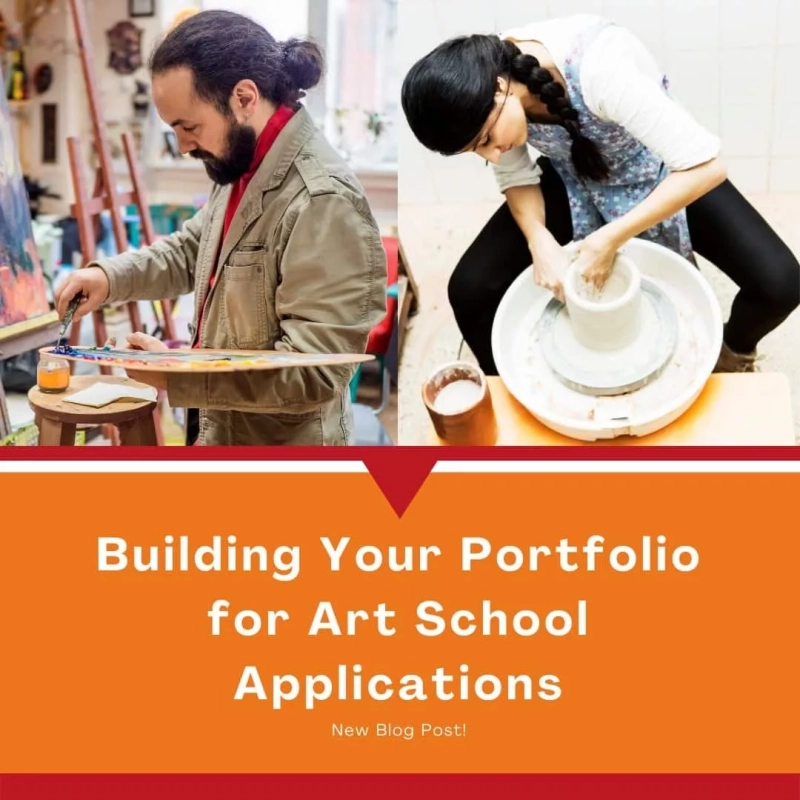
Building Your Art Portfolio for Art School Applications. New blog post! A photo of an art student painting and another art student creating a ceramic bowl.

If you’re a prospective art school applicant, you might already know about or even have your own art portfolio. After all, your portfolio is 90% of your application to schools, according to HLM educator and professional artist Gwen Hollingsworth. Gwen graduated from the UCLA School of Arts and Architecture in 2020 and now works professionally as a painter and art instructor in Los Angeles.

While UCLA was her chosen school, she is also familiar with the application process for the Art Center College of Design, Yale School of Art, Rhode Island School of Design (RISD), and California Institute of Arts. She can also help review art portfolios for high school programs such as LA County High School for the Arts.

We spoke with Gwen about the importance of your art portfolio, when you should have one compiled, how a professional review can prepare you to speak about your work, and what a portfolio review workshop might look like.

Q: What are the steps students must take to apply to art school?

  • A: It depends on the school, but most include a portfolio, a personal statement, and an application. It’s important to make sure you have a strong body of work that is continuous and cohesive. You’ll also need a good statement describing your work and practice and why you want to attend the school you’re applying to.

Q: How important is it to have a developed and polished art portfolio?

  • A: Your portfolio will be 90% of your consideration for art schools. Keep in mind though that while your portfolio is important, they’re also not expecting professional-level work. They really want to see that you have potential.

Q: What goes into developing and polishing an art portfolio?

  • A: It depends a bit on the schools you’re applying to because different schools have different requirements. However, for every school, it’s important to show a story and progression in your portfolio. You want to make sure all pieces of work are tied in and connected. It’s also important to craft your technique and show you know what you’re doing and that you do it well.

Q: How can you specifically help students develop their art portfolios?

  • A: I have a lot of experience talking about and critiquing artwork. I’ll ask students questions about why they’re making what they’re making. It’s important to be able to talk about your work. I also have experience with the application process and getting into a selective program. I know what schools are looking for and can help students meet those requirements. I can also help students refine and perfect their technical skills.

Q: How will students be better off after working with you on their art portfolios?

  • A: They’ll have a more realistic understanding of the application process. I also want to make sure they aren’t making random pieces. Instead, they’ll have a body of work that’s more put together and ready for review by an academic committee.

Q: What kinds of students, in terms of level and subject area, can you help?

  • A: I can help students of all levels and in different mediums, including painting, illustration, sculpture, ceramics, photography, and TV & Film Editing.

Read more about the Hodis Learning & Music Art Portfolio Workshop, which we’ll be offering soon! And learn more about Gwen or schedule a session with her today.