

Tag Archive for: art history

Integrating Art History into Home Learning

Home learning offers a unique opportunity to make education more personalized, flexible, and engaging. One subject that’s often overlooked is Art History. Integrating art history into your home learning routine can enhance critical thinking, cultural awareness, and even literacy.

Why Art History Matters

Art history is a dynamic subject that encourages students to think critically about images and symbolism and explore history through a creative lens. It can be a helpful subject for understanding different cultures and perspectives.

When students study art, they’re also learning visual literacy, which is essential in today’s image-driven world.

Simple Ways to Bring Art History Home

You don’t need a museum membership or an art degree to introduce your student to the world’s masterpieces. Here are some easy, engaging ways to integrate art history into home learning:

1. Choose an Artist of the Week

Each week, pick a new artist to explore. You might start with well-known names like:

  • Leonardo da Vinci
  • Frida Kahlo
  • Claude Monet
  • Jacob Lawrence
  • Yayoi Kusama

Research their background, artistic style, and a few notable works. Look at the time period they lived in and what was happening in the world during that time. Even a 10-minute conversation can spark curiosity!

2. Do an Artwork Deep Dive

Select one artwork and analyze it together. Ask your student these questions:

  • What do you see?
  • What mood does the artwork convey?
  • What colors, shapes, or patterns stand out?
  • What might the artist be trying to say?

This encourages students to slow down, observe, and interpret.

3. Incorporate Hands-On Activities

Combine art history with creativity by recreating a famous artwork using household materials or designing a modern version of an ancient artifact. Not only are these fun home learning activities, but they also reinforce learning through experience.

4. Connect Art to Other Subjects

Art history naturally ties into other areas:

  • History: Discuss how art reflected political or social changes
  • Geography: Locate where artists lived or where artworks were created
  • Language Arts: Write a story inspired by a painting
  • Science: Explore the chemistry behind pigments or materials used in art

Make It a Habit

You don’t have to overhaul your homeschool curriculum to include art history. Try setting aside one afternoon a week for an “Art + Culture Hour.” Make it relaxed, hands-on, and discussion-based.

Even just a weekly focus can expose your student to diverse voices and important cultural contributions across time and place.

Explore Virtual Museum Tours

Take a digital field trip! Exploring global art collections from your living room makes the learning experience more exciting and immersive. Many museums now offer free online tours. Try:

  • The Louvre (Paris)
  • The Metropolitan Museum of Art (New York)
  • The Uffizi Gallery (Florence)
  • The National Museum of African Art (Washington, D.C.)

Final Thoughts

Integrating art history into home learning doesn’t have to be complicated or time-consuming. It’s a fantastic way to nurture creativity, curiosity, and cultural understanding, all while supporting core academic skills.

At Hodis Learning & Music, we’re passionate about making learning come alive. Whether you’re looking for personalized tutoring, art lessons, or homeschooling, we’re here to help your student thrive. Call us at (626) 227-1149 or submit a form and discover how we can help you with your home learning goals.
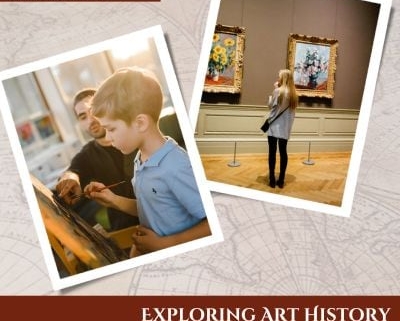
 

Exploring Art History Through Lessons

Art history is a fascinating subject that tells the story of human creativity across cultures and centuries. By incorporating art history into art lessons, students not only learn the techniques and skills needed to create their own masterpieces but also gain a deeper understanding of the world around them, and the state of art today.


Bringing Techniques to Life with Historical Context

Art history provides a helpful backdrop for understanding artistic techniques. Learning about the Impressionists, for example, reveals why artists like Monet and Renoir experimented with light and color in new ways. Studying Cubism with its bold lines and shapes helps students see how Picasso and Braque challenged convention. By introducing art movements alongside hands-on projects, students gain insight into the “why” behind the methods they’re learning.

  • Lesson Idea: Pair a discussion about Renaissance frescoes with a fun experiment using plaster and paint to mimic the fresco technique.
  • Learning Outcome: Students learn about materials and the processes used to create the masterpieces we still admire today.


Inspiring Creativity through Famous Artworks

Famous artworks are more than just beautiful; they can give us clues about the artist, their motivations, and the time they lived in. Discussing the stories behind iconic pieces like van Gogh’s Starry Night gives students a more complete sense of the art and its impact. These stories can inspire students to embrace their own unique perspectives and learn how to create art that reflects them.

Encourage students to analyze these works, asking questions like: 

  • What emotions do you feel looking at this artwork?
  • What might the artist have been thinking or feeling?
  • How would you add emotion to your art?


Exploring Art Styles across Cultures

Art history is also helpful for exploring different cultures. Students can delve into the vibrant patterns of African textiles, the intricate details of Islamic calligraphy, or the serene landscapes of Japanese ukiyo-e prints. By learning about art forms from around the globe, students develop an understanding of the history of different cultures and how geography, major events, and values impacted art, from the materials used to the subject of the works created.

  • Lesson Idea: Learn about Navajo sandpaintings, discuss their cultural significance, and observe common symbols in Navajo art. Encourage students to think about what symbols they might use to represent their own values or experiences. Then, using colored sand, powdered chalk, or dyed salt, have students sketch a simple design on sturdy paper or canvas. Using glue, students can carefully apply sand to bring their designs to life. This lesson is meant to be inspired by, not a replication of, ceremonial practices. Emphasize respect for the sacred nature of the traditional art form.
  • Learning Outcome: Students explore the connection between art and culture, learn about Navajo traditions, and create symbolic artwork.


Connecting Art and History to Today

Art history lessons provide a foundation for understanding modern art and design. Students can trace the evolution of styles, seeing how the past influences contemporary creations. This connection helps young artists understand that their work is part of an ongoing narrative, inspiring them to contribute their voices to the ever-growing world of art. 

Why Choose Hodis Learning & Music?

At Hodis Learning & Music, we’re passionate about making art history an engaging and enriching part of art instruction. Our tailored art lessons can integrate historical context along with practical techniques and creative exploration. Call or email us today to learn more about our art lessons.