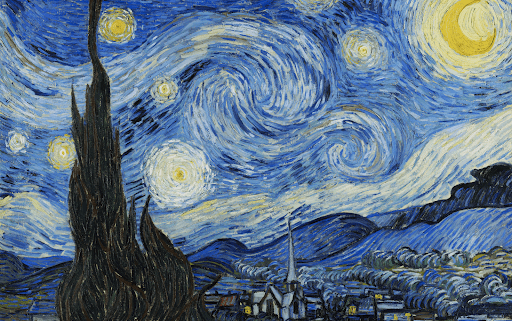
Van Gogh's Starry Night Painting

This summer we’re starting an artist series where we’ll highlight a famous artist in a blog post! We’ll share facts and some of their most famous works in each post. This week we’re starting with Vincent van Gogh!

————

Vincent van Gogh was a Dutch painter born in 1853.

While he is now highly-regarded as an influential artist and post-impressionist painter, he did not spend his whole life as an artist, and only sold one painting in his lifetime.
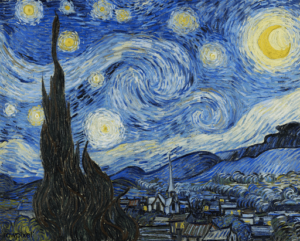
Van Gogh's Starry Night Painting. Learn how to paint with in our private art lessons!

Van Gogh began his career as an apprentice at an art dealership. It wasn’t until 1880 that he began to draw, mostly teaching himself. When he did paint, he used watercolor.

In 1881 he met and worked with other artists and eventually began oil painting.

Vincent van Gogh's paintings, Sunflowers (left) and self-portrait (right). Learn how to paint with one of our expert art teachers!

Throughout the last decade of his life, he studied different types of art, traveled, met other artists, and used nature as inspiration for his work. During this time he created some of his most famous paintings.
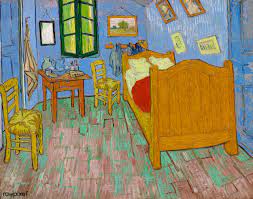
 

Vincent van Gogh's painting, The Bedroom. Learn how to paint with one of our expert art teachers!

Van Gogh is best known for his post-impressionist work characterized by bright, dramatic brush strokes.


Vincent van Gogh's painting, Irises. Learn how to paint with one of in our private art lessons!


He is also remembered as a lonely, misunderstood artist who struggled with mental health.

When van Gogh died in 1890, he was almost completely unknown, but now is one of the most well-known and influential artists of all time.

Sources: https://www.britannica.com/biography/Vincent-van-Gogh

Learn How to Paint Like Van Gogh

Schedule an art lesson with an expert art teacher at Hodis Learning & Music today!
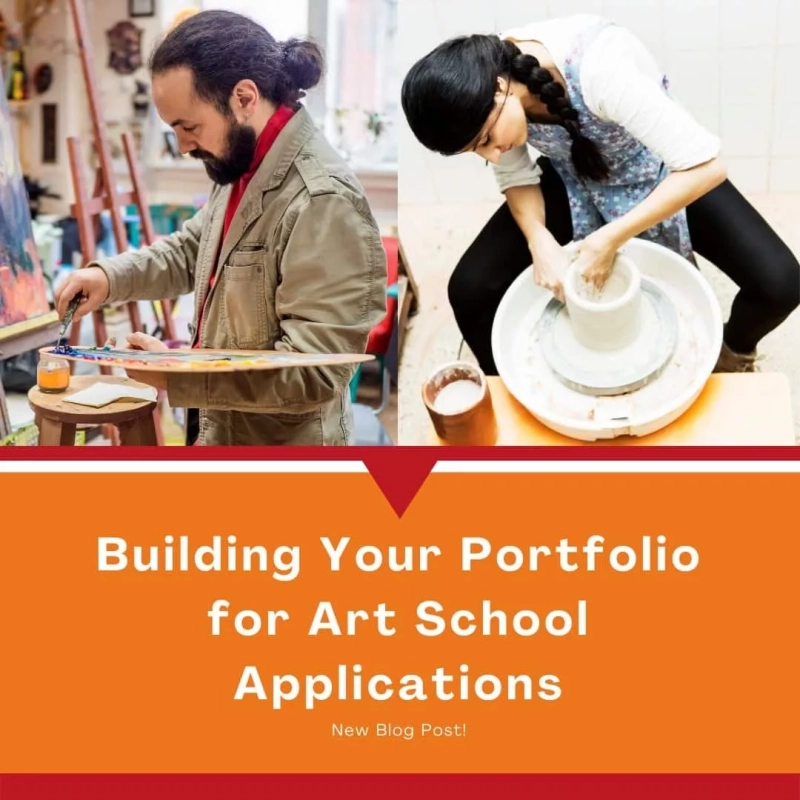
Building Your Art Portfolio for Art School Applications. New blog post! A photo of an art student painting and another art student creating a ceramic bowl.

If you’re a prospective art school applicant, you might already know about or even have your own art portfolio. After all, your portfolio is 90% of your application to schools, according to HLM educator and professional artist Gwen Hollingsworth. Gwen graduated from the UCLA School of Arts and Architecture in 2020 and now works professionally as a painter and art instructor in Los Angeles.

While UCLA was her chosen school, she is also familiar with the application process for the Art Center College of Design, Yale School of Art, Rhode Island School of Design (RISD), and California Institute of Arts. She can also help review art portfolios for high school programs such as LA County High School for the Arts.

We spoke with Gwen about the importance of your art portfolio, when you should have one compiled, how a professional review can prepare you to speak about your work, and what a portfolio review workshop might look like.

Q: What are the steps students must take to apply to art school?

  • A: It depends on the school, but most include a portfolio, a personal statement, and an application. It’s important to make sure you have a strong body of work that is continuous and cohesive. You’ll also need a good statement describing your work and practice and why you want to attend the school you’re applying to.

Q: How important is it to have a developed and polished art portfolio?

  • A: Your portfolio will be 90% of your consideration for art schools. Keep in mind though that while your portfolio is important, they’re also not expecting professional-level work. They really want to see that you have potential.

Q: What goes into developing and polishing an art portfolio?

  • A: It depends a bit on the schools you’re applying to because different schools have different requirements. However, for every school, it’s important to show a story and progression in your portfolio. You want to make sure all pieces of work are tied in and connected. It’s also important to craft your technique and show you know what you’re doing and that you do it well.

Q: How can you specifically help students develop their art portfolios?

  • A: I have a lot of experience talking about and critiquing artwork. I’ll ask students questions about why they’re making what they’re making. It’s important to be able to talk about your work. I also have experience with the application process and getting into a selective program. I know what schools are looking for and can help students meet those requirements. I can also help students refine and perfect their technical skills.

Q: How will students be better off after working with you on their art portfolios?

  • A: They’ll have a more realistic understanding of the application process. I also want to make sure they aren’t making random pieces. Instead, they’ll have a body of work that’s more put together and ready for review by an academic committee.

Q: What kinds of students, in terms of level and subject area, can you help?

  • A: I can help students of all levels and in different mediums, including painting, illustration, sculpture, ceramics, photography, and TV & Film Editing.

Read more about the Hodis Learning & Music Art Portfolio Workshop, which we’ll be offering soon! And learn more about Gwen or schedule a session with her today.

Do you remember when you were a kid and the freedom you felt sticking your hands in cold paint and slapping them all over paper. How fun was it to see the mix of colors you’d create or the imprint of your hand?

Art is an incredibly fun, freeing way to create and express yourself at any age! In a world where we spend so much time looking at what other people are doing– constantly observing and absorbing– we can actually create something tangible and meaningful through art.

Whether you are an experienced student seeking to build your art portfolio for college admissions, or a beginner trying something new, Hodis Learning and Music has talented educators who can support your artistic endeavors. Some of the art lessons you can take with an HLM educator include:

  • Drawing
  • Ceramics
  • Photography
  • Sculpture
  • Painting with acrylics, oil, or watercolor

Check out our awesome art educators and their interests and see what they enjoy doing in their free time here!